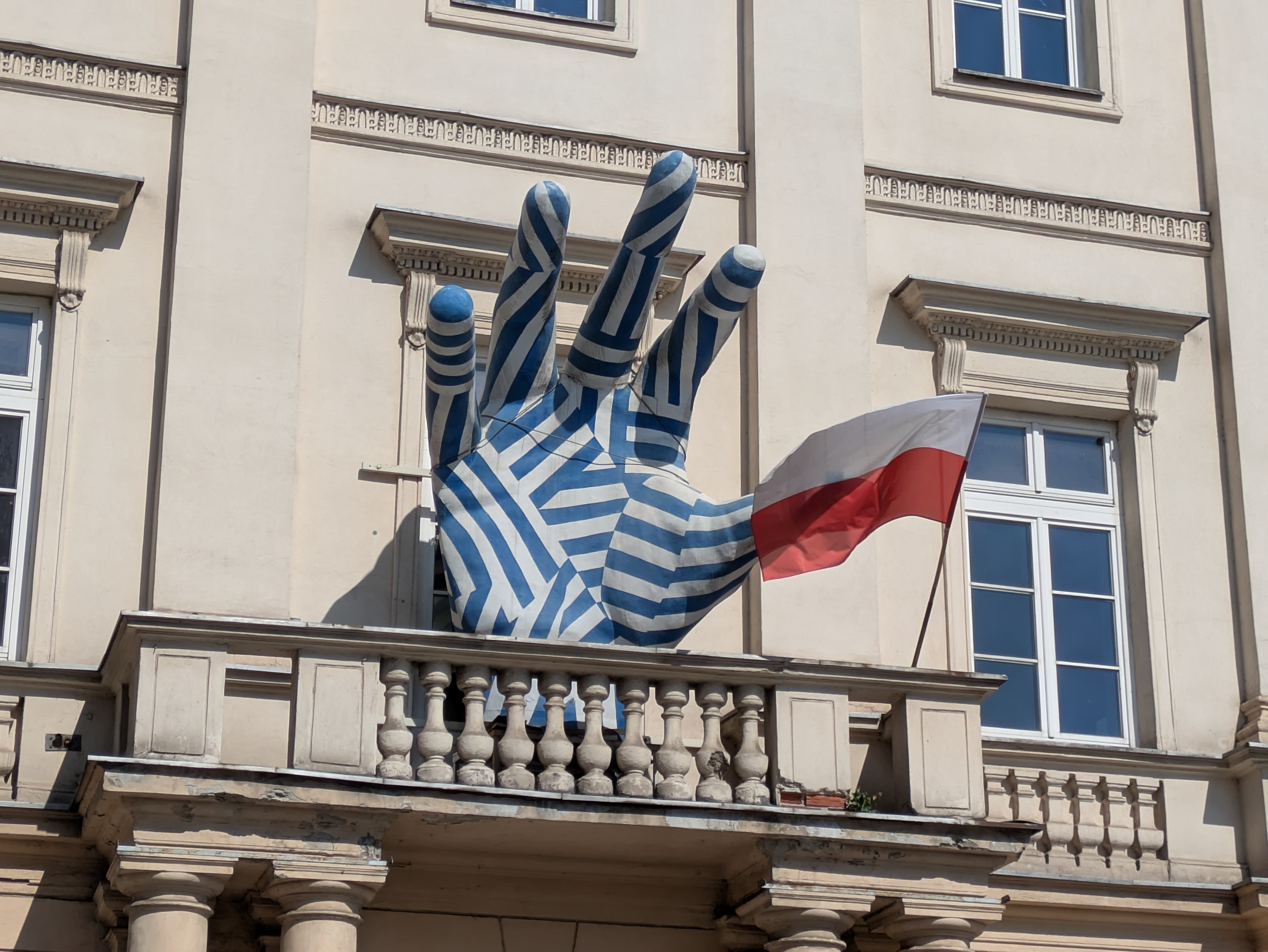
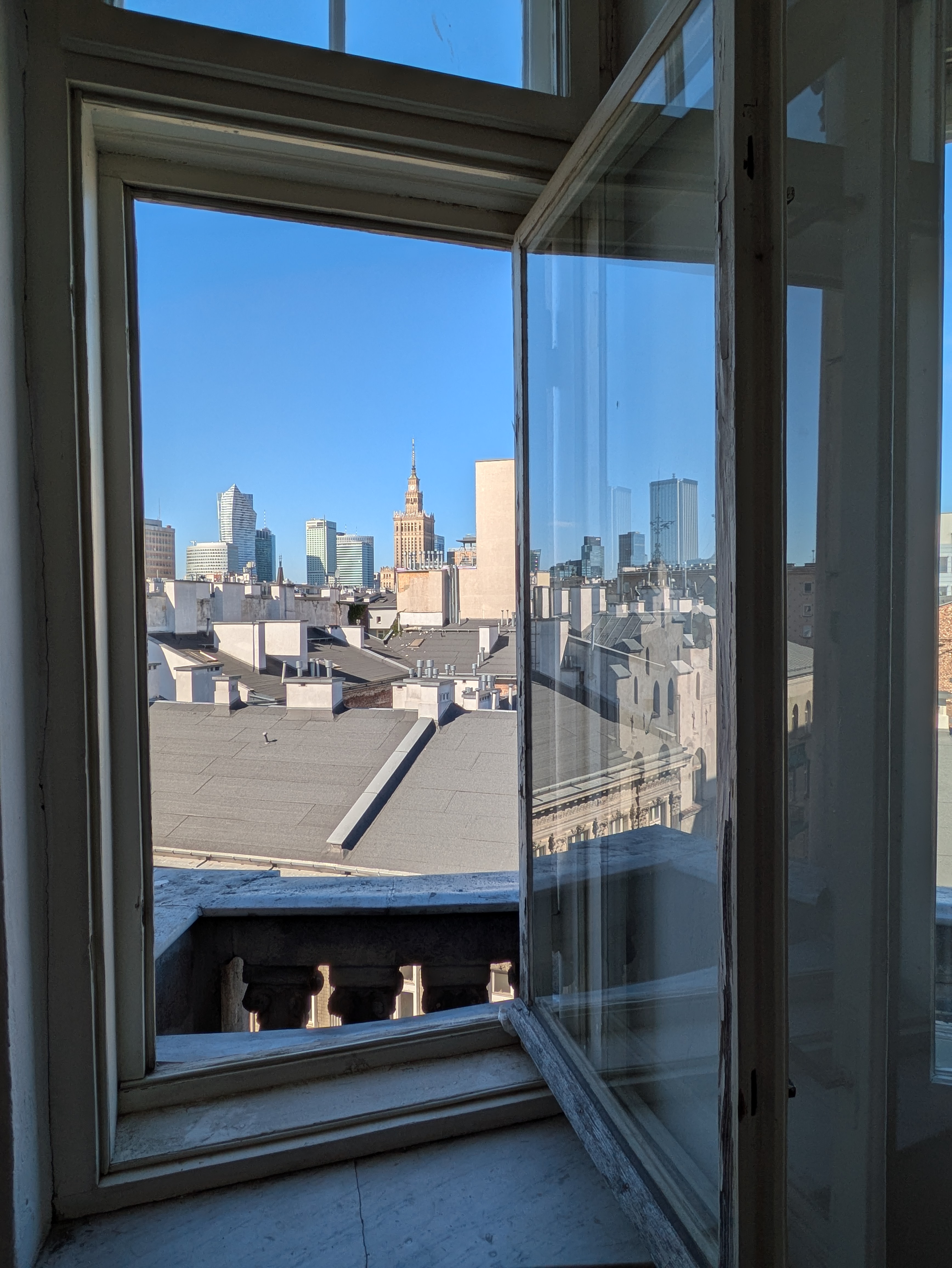
My introduction to Warsaw came as an 11 year old through Ian Serraillier’s children’s novel The Silver Sword, a story of hope about a family whose lives are turned upside down by the decimation of the city by the Nazis in 1940. I recall how much I loved the book – probably the first novel I read in its entirety – but that I couldn’t believe the level of destruction it described. Visiting Warsaw for the first time some 30+ years later, I struggle to believe it again, so painstaking was the rebuilding and so complete the city now seems.
True it is, of course, even if the numbers are incomprehensible. Between 85-90% of Warsaw was flattened during WW2 – comparable to Hiroshima. The city’s 1939 population was 1.3m. By 1945 it was 160,000. 800,000 were dead, 350,000 displaced. The 1939 Jewish population of 380,000 was wiped out. As Adam Zamoyski describes in Poland: A History, “It is a grim irony that although it had been a member of the victorious alliance, Poland was the ultimate loser of the Second World War”.
Warsaw’s problem was the same as the rest of Poland: caught between a rock and a hard place, Hitler on its western border, Stalin on its eastern, it was crushed between the two.
This was not meant to be Poland’s capital, not originally. In the Warsaw episode of History Extra’s ‘History’s Greatest Cities’ podcast, Alexandra Richie calls it a “compromise capital”. A sleepy fishing village on the Vistula that was chosen because it was midway between the original capital Krakow and Lithuania.
It would seem, then, that history has been thrust upon Warsaw. So what of the city now?
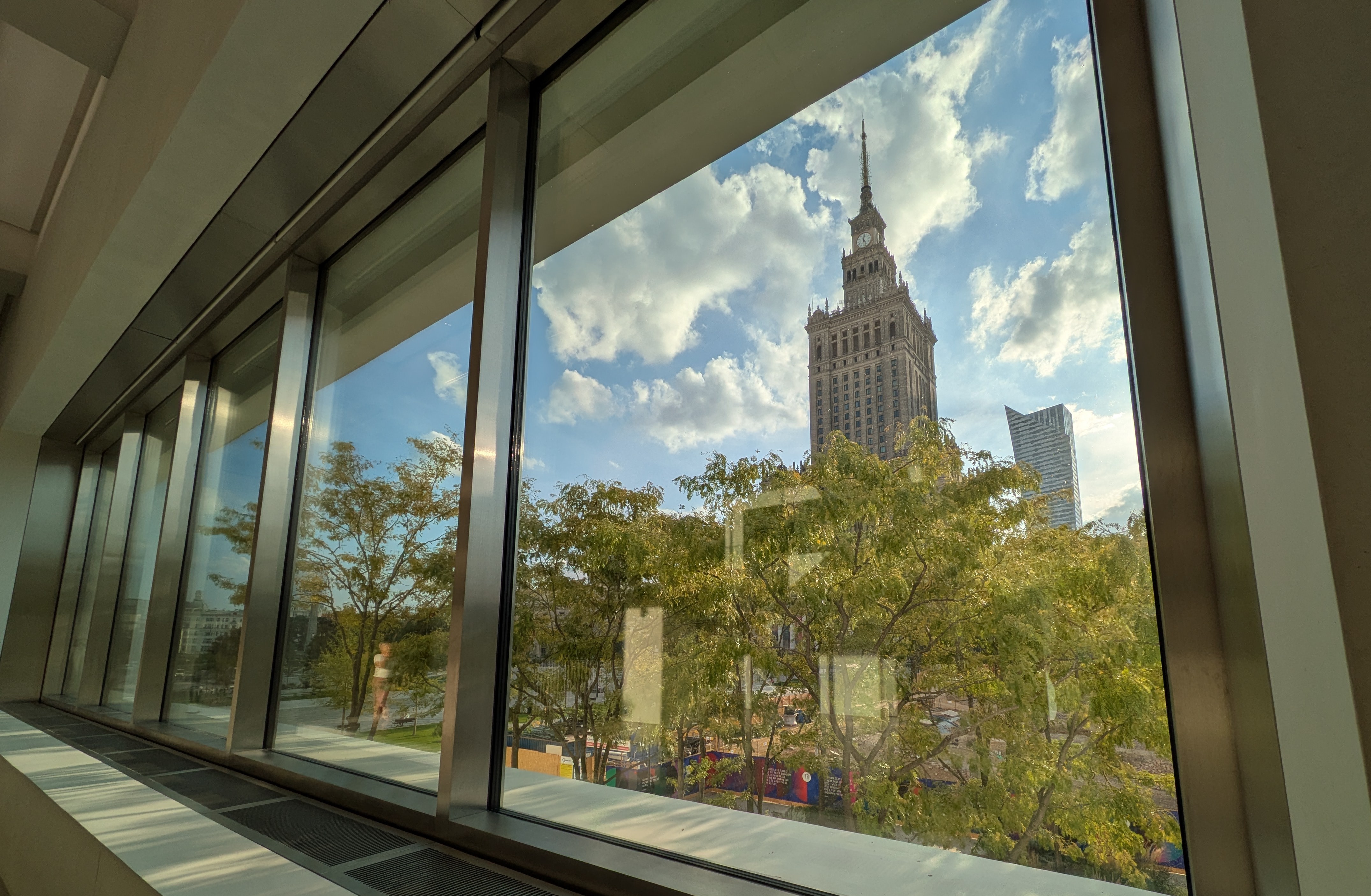
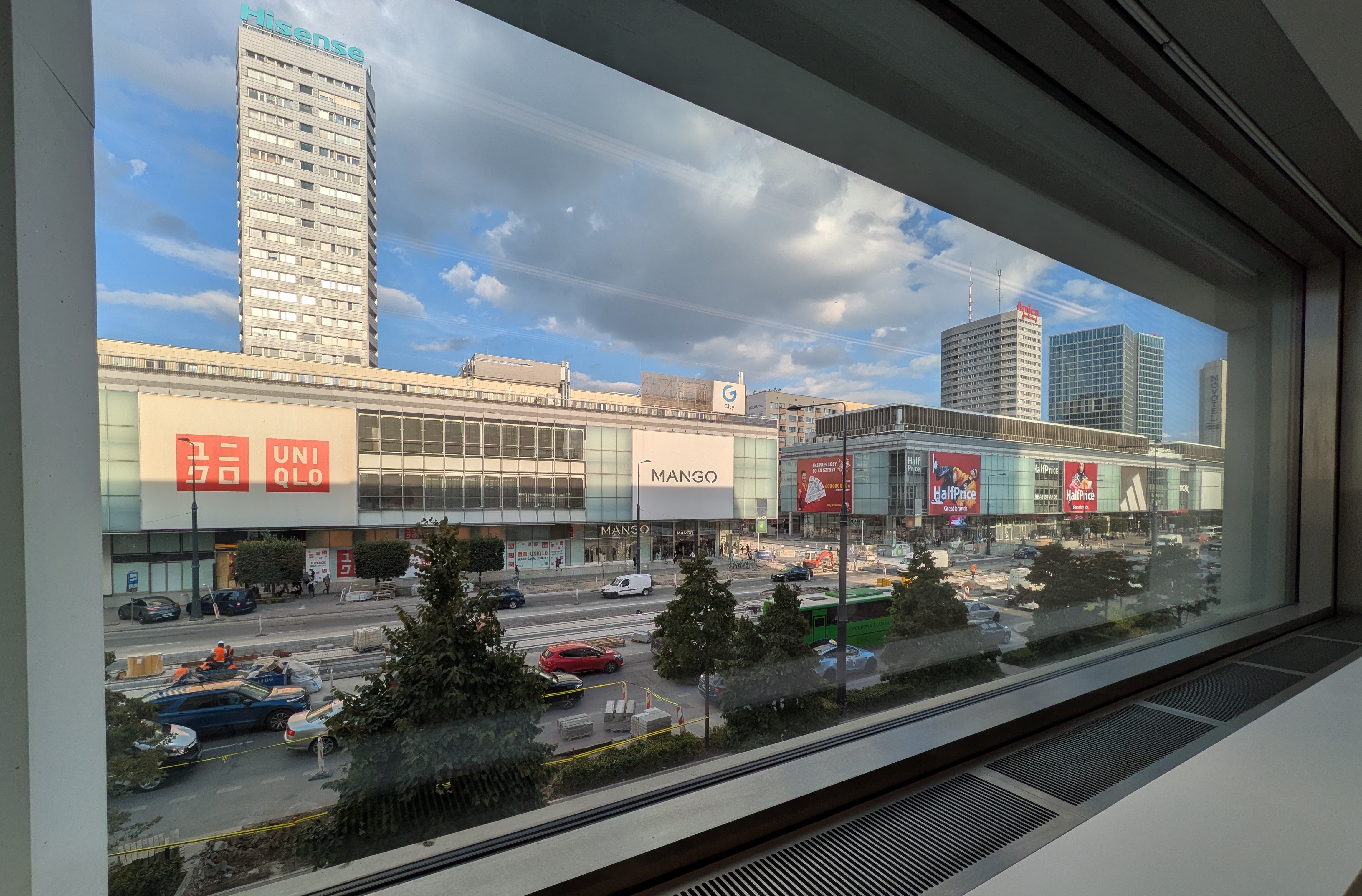
(Above: the view from MSN of ‘Stalin’s gift’ the Palace of Culture & Sciences and of the global brands lining Marszałkowska)
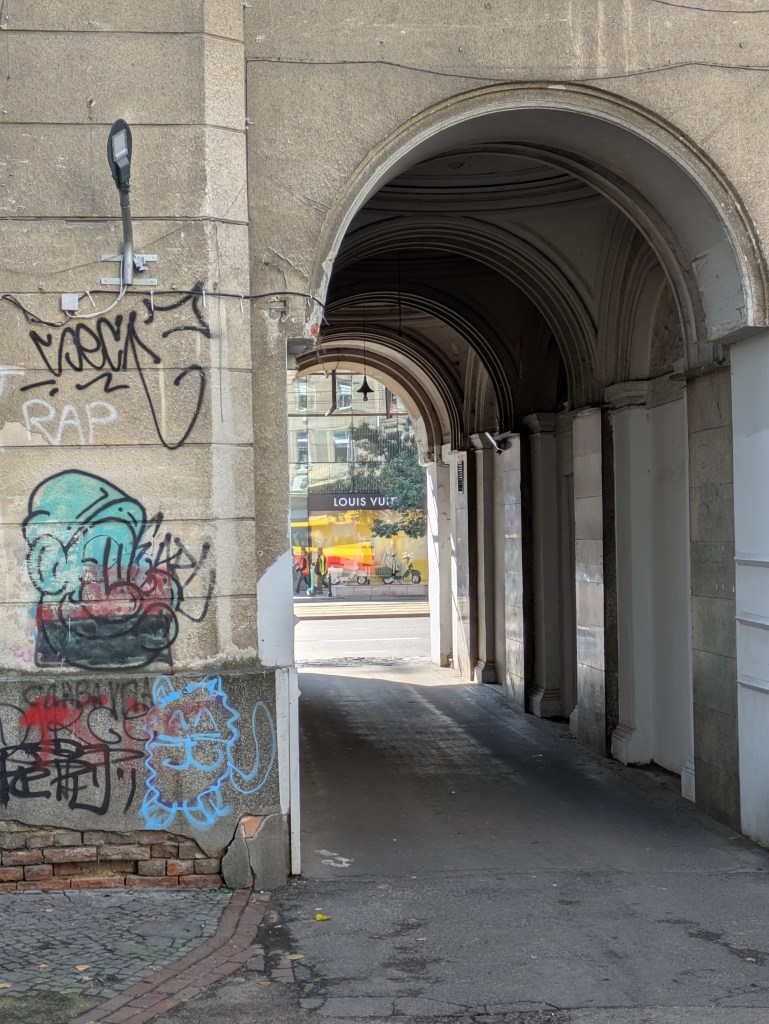
Turning south off the lively restaurant-lined pedestrianised strip of Chmielna towards Jerozolimskie, I’m confronted with an analogy for Warsaw today: a view through the archway of an ugly, graffiti-riddled old communist block to a gleaming new Louis Vuitton store. Left through the archway, and I walk past one of the few remaining traditional ‘bar mleczny’ (milk bar), all austere wood-paneling, with a queue of Varsovians waiting to collect their breakfast from the serving hatch, whilst BWMs glide past outside.
So Warsaw is what all major capitals should be: a city of contrast and compromise.
Turning onto the Royal Route, the scene changes again. This time, thanks to that remarkable post-1945 reconstruction, even Warsaw’s most famous prodigal son, Fryderyka Chopin, might recognise the cityscape. Perhaps he’d need to see beyond the sushi chains and ice-cream parlours, which certainly didn’t feature in the Canaletto paintings of Warsaw that were used as a guide to rebuild this area, but he could easily find his heart, concealed as it is in a pillar in Bazylika Świętego Krzyża (Holy Cross Church) on Krakowskie Przedmieście. His body lies 800 miles west in Père Lachaise, but he wanted his heart to return home.
A short walk away, St Anna’s Academic Church is one serious place of worship, filled with so much gold but somehow with that special kind of Catholic gloominess. I find myself scowling at the most graphic crucifixion I think I’ve seen, with Christ’s body bleeding from dozens of dagger wounds.
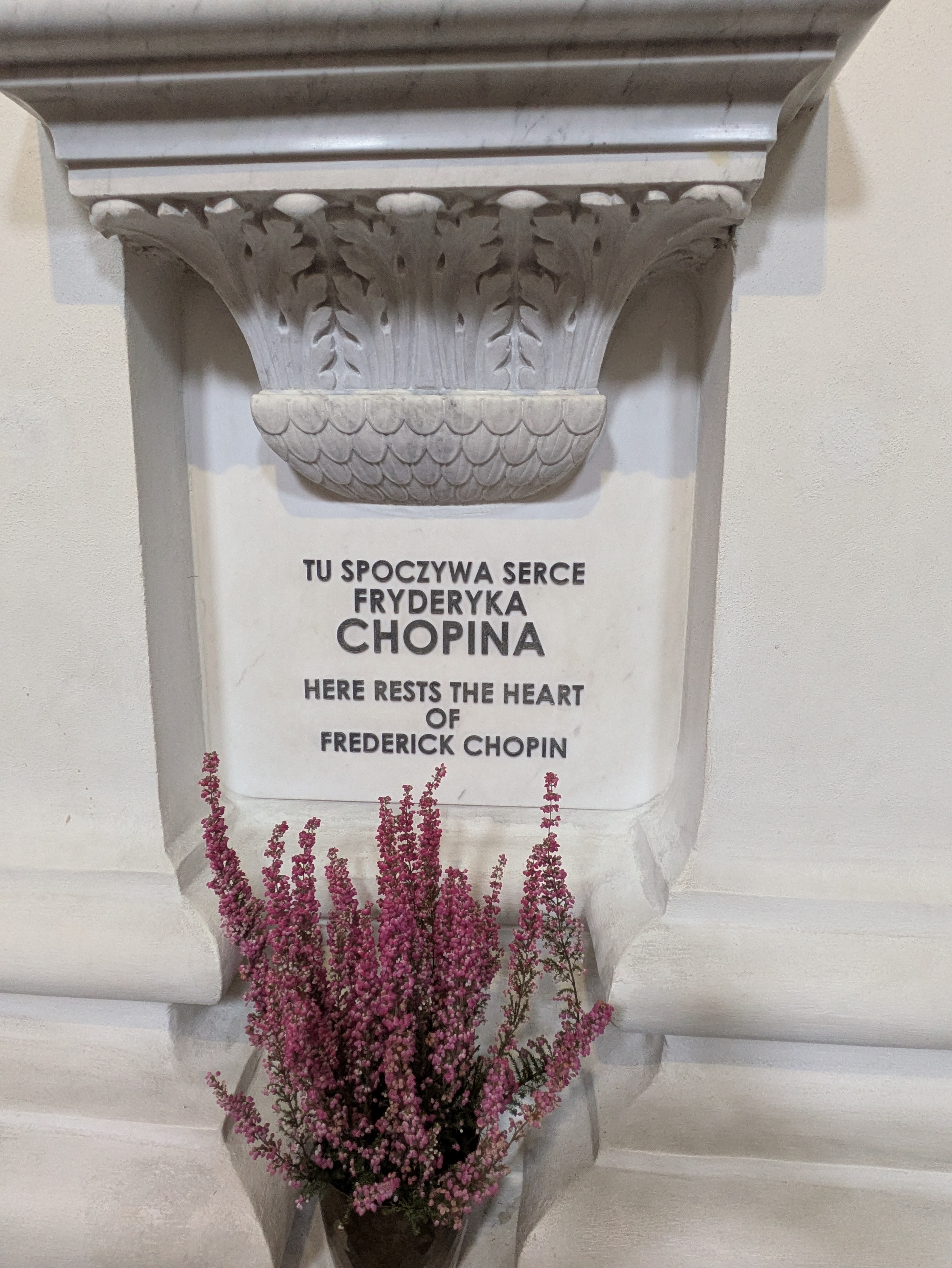
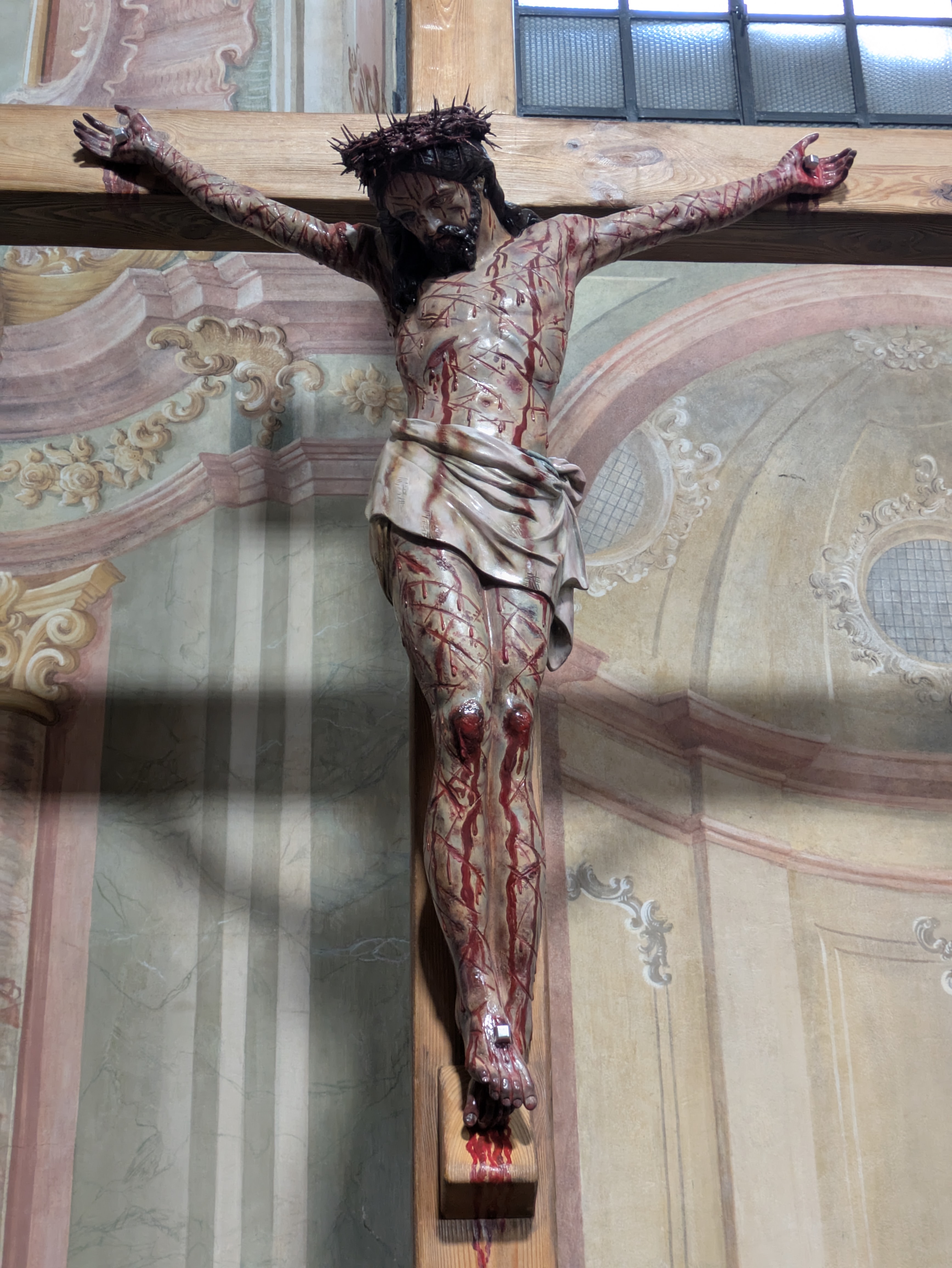
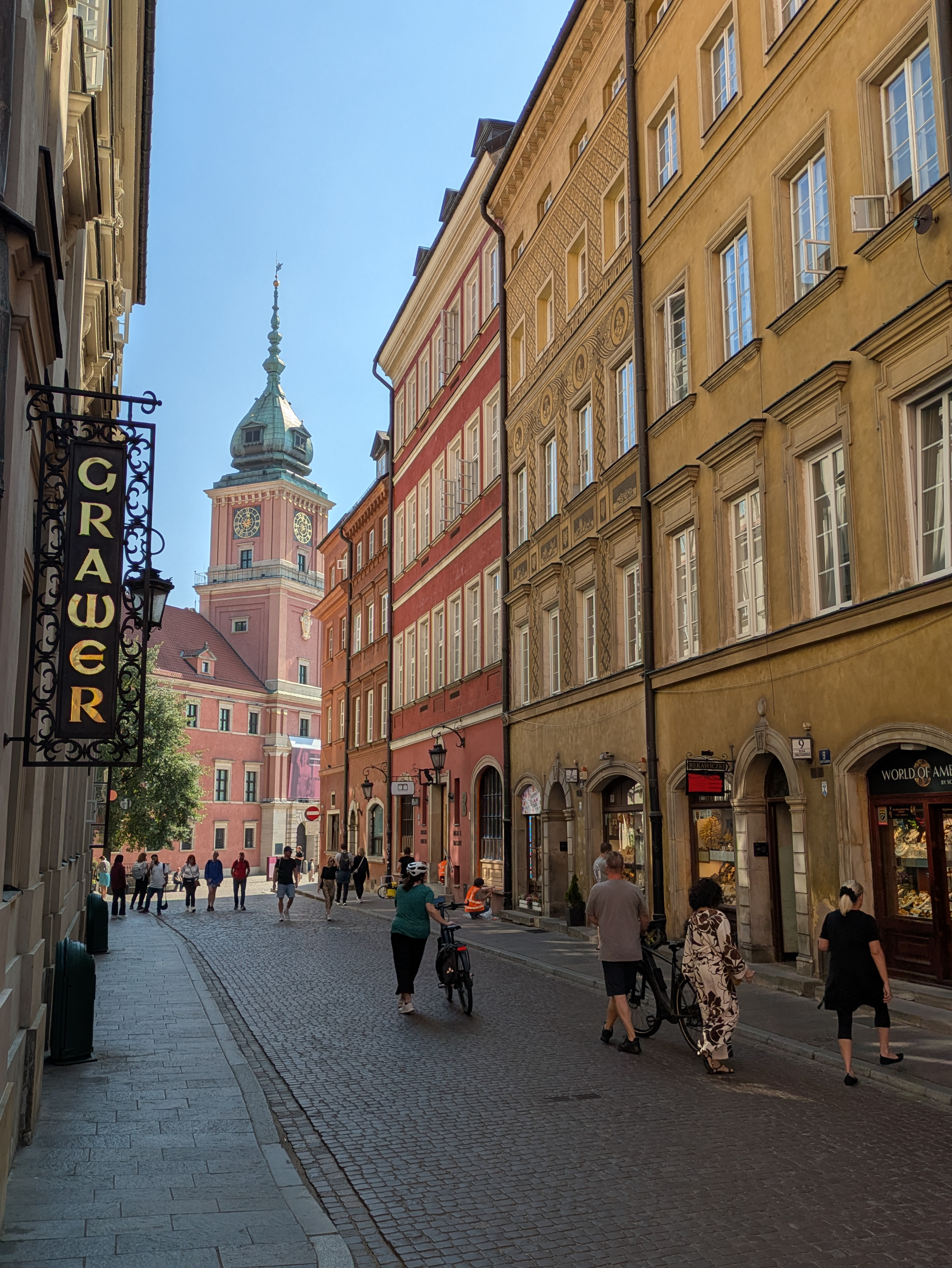
(Above: Chopin’s heart; the crucifixion at St Anna’s; Warsaw Old Town)
Needing levity, I’m fortunate to time my arrival at St John’s Cathedral to coincide with a lunchtime organ recital. Pieces by Chopin (obviously), Petrali (fine) and Boellmann (never heard of him), however, turn out to be somewhat somber. It still puts me in a trance. When eventually I snap back into the room, I realise that I’ve just spent 20 minutes in a wormhole thinking about my dad, 1970s album covers, and ITV’s 1980s children’s stop-motion animation Trap Door. The places music takes us.
Taking the footbridge that spans the Vistula, Poland’s main artery, which I’d previously encountered 150 miles south in Krakow, a walk into the district of Praga reminds me of another city of contrast and compromise: Berlin. Functional social housing stands next to repurposed warehouses, all seemingly with a hipster cafe on the ground floor. People wear unseasonable beanie hats and deliberately badly fitted jeans. The murals of talented street artists are defaced by brainless graffiti taggers. Varsovians share another trait with Berliners: each one of them always stops at street crossings even when there is no traffic in sight.
Jumping onto the spotlessly clean metro (a single journey at 70p – TfL take note!) back to the centre, the names of stations are intimidatingly challenging. How can an eight letter word contain only one vowel? How does an English speaker avoid the trap of pronouncing ‘Ł’ as an ‘L’ instead of as a ‘W’? Even listening to the next stop announcements – helpfully in English and Polish – I’m left baffled.
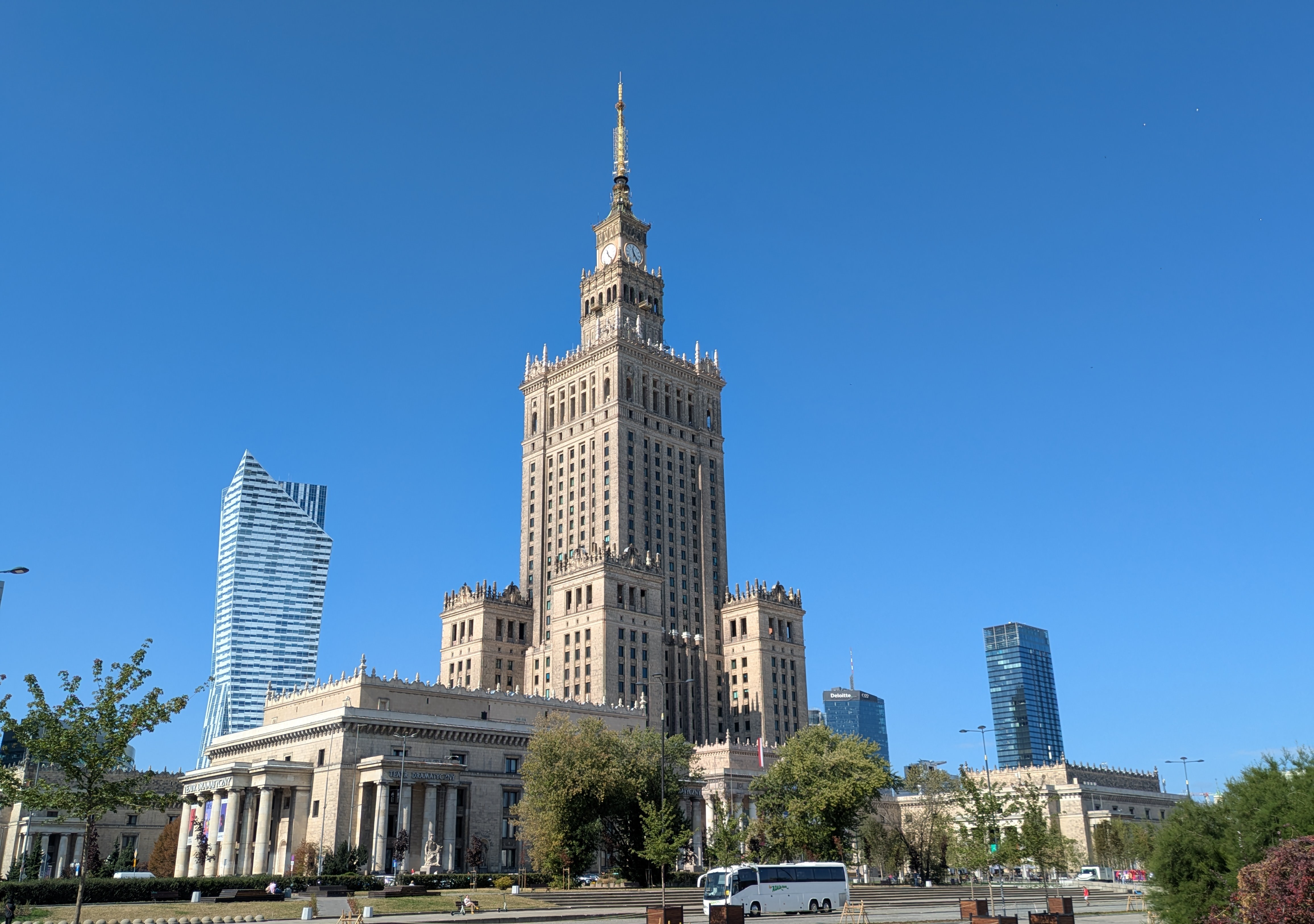
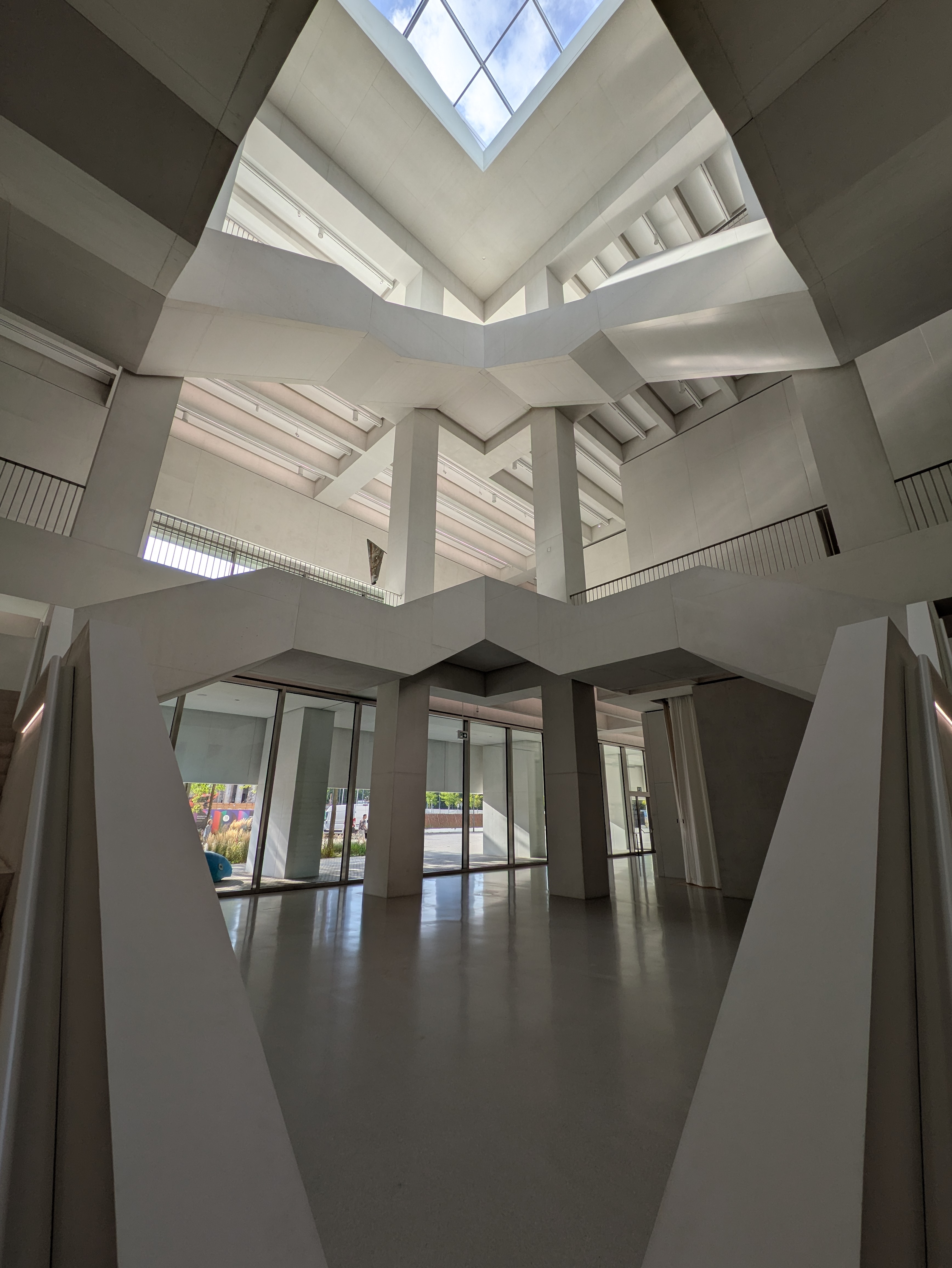
(Above: the Stalinist behemoth versus MSN’s light-filled, Escher-inspired interior)
Warsaw’s most iconic building is the Palace of Culture and Science, Stalin’s ‘gift from the Soviet people’, which so dominates the city’s skyline that it acts as a useful navigation point. It’s an absolute behemoth. Completed in 1955, having taken three years to build, it is still the eighth tallest building in the EU, with an equally massive footprint. Considered a constant reminder of Stalin’s domination of Poland (even though he didn’t live to see its completion), it continues to provoke controversy, with campaign groups calling for its demolition. I have to admit to slowly growing to like it, partly because of just how preposterous the thing is, despite my dismay at entering the foyer to find a bloody Caffe Nero and three cashpoints inside – what would Joseph think?
Standing directly opposite – and in stark contrast – is MSN, the museum of modern art. The exterior is classic 21st Century gallery, akin to MO in Vilnius: a clean, white cube. The interior is bathed in light from vast windows that look out to that symbol of communism on one side and the corporate symbols of capitalism that line Marszałkowska on the other. The core supports a network of MC Escher-esq stairs, which look ready for Bowie to appear and reprise his Labyrinth stair-walking scene. That interior starts out benign, looking brand new and sterile, but soon becomes a maze of rooms hidden behind colossal brushed steel doors. Having no real reference point for modern Polish art, I found the works as challenging to engage with as the building was to navigate.
The contrasts of Warsaw are all part of its appeal. Find a restored gothic townhouse to stand and admire, then spin 180 to see a functional communist block with a gleaming skyscraper towering over it. Then remind yourself that they were all built/rebuilt within the last 70 years.
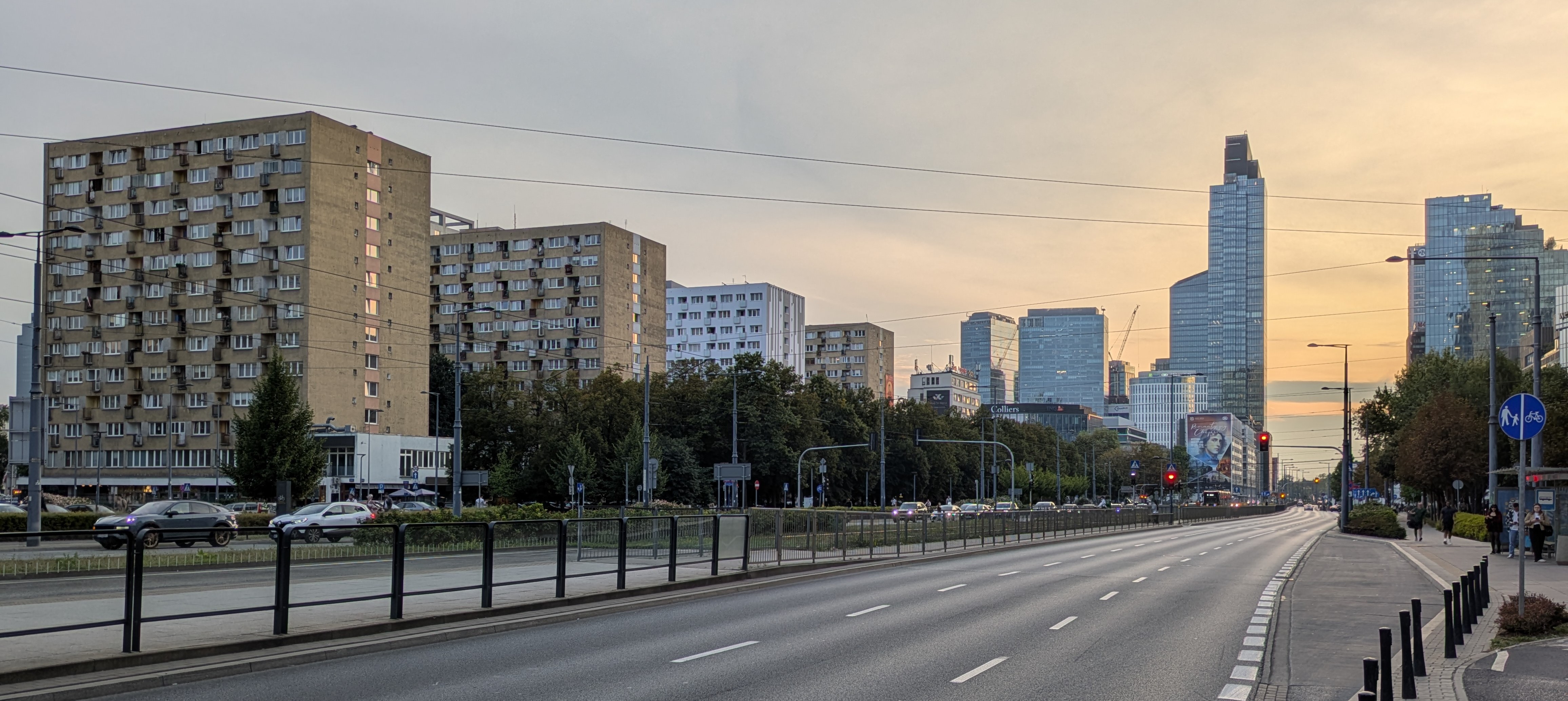
(Above: communist-era housing blocks stand in front of glass skyscrapers on Prosta)
Sat in a Vietnamese restaurant just off Chmielna, a gay couple wander in and take the table next to me. They chat away in fluent English, but with heavy, differing central European accents, snidely gossiping about their university tutors, until their conversation is interrupted by a phone call. The younger, taller of the two answers in Polish, then excuses himself to step outside for a few minutes. Returning to the table, he explains to his companion that it was his grandmother and that he had needed to explain to her that “no, we are not at war with Russia”, despite what she’d heard on tabloid TV that night. And so it was, eavesdropping over pho, that I learnt of Putin’s latest incursion into Europe and the shooting down of several of his drones in eastern Poland, which felt unnervingly close right then.
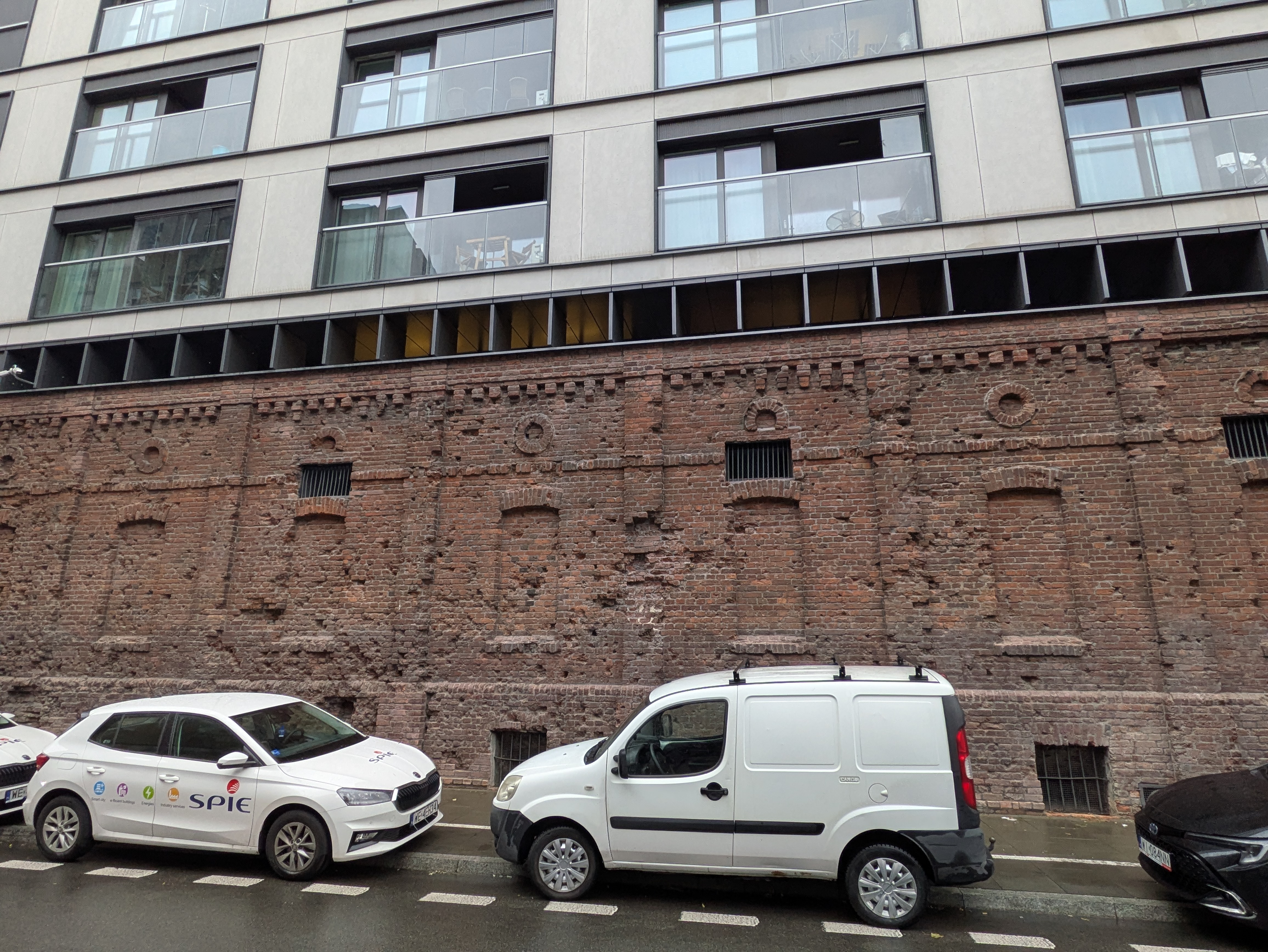
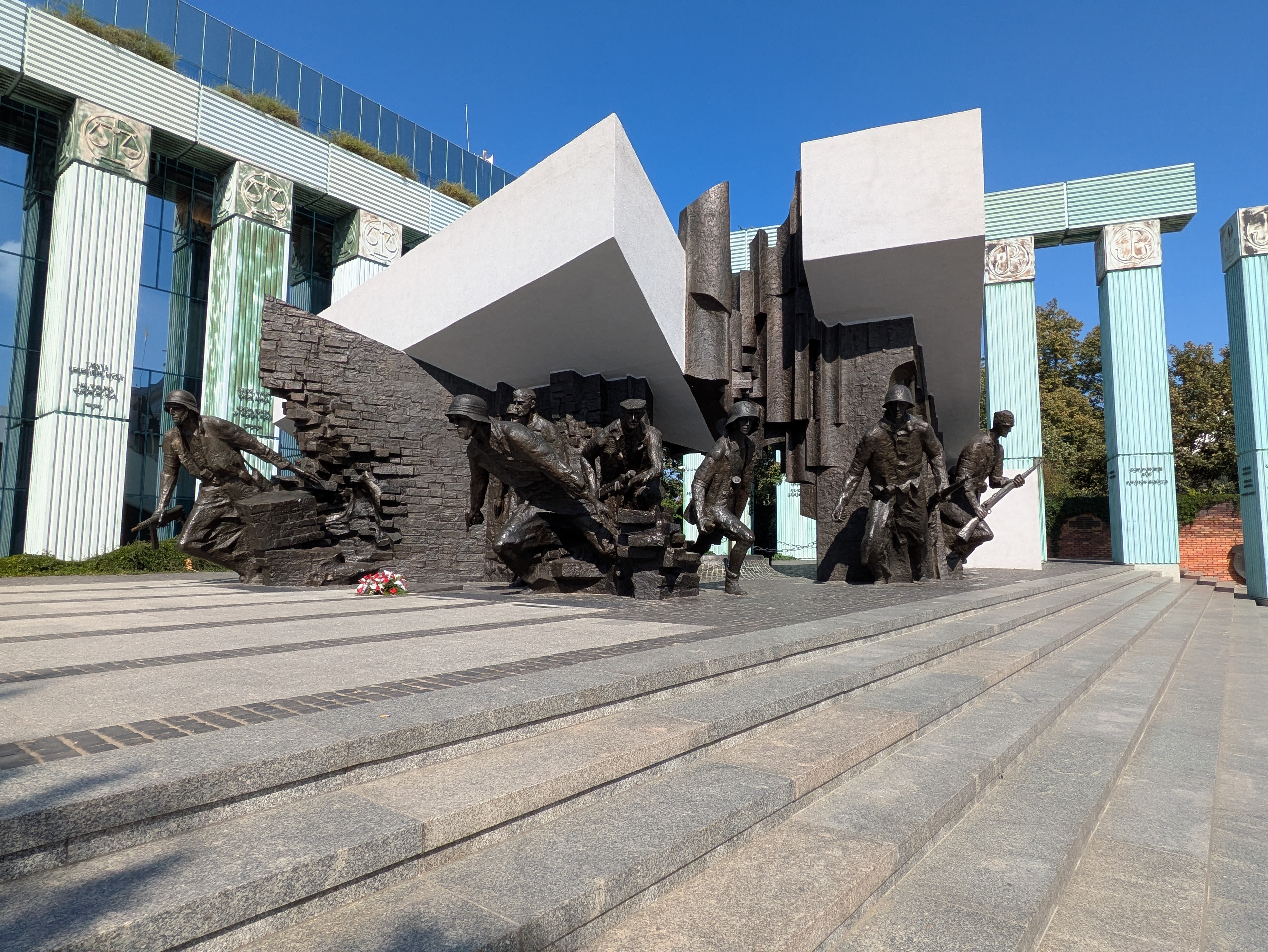
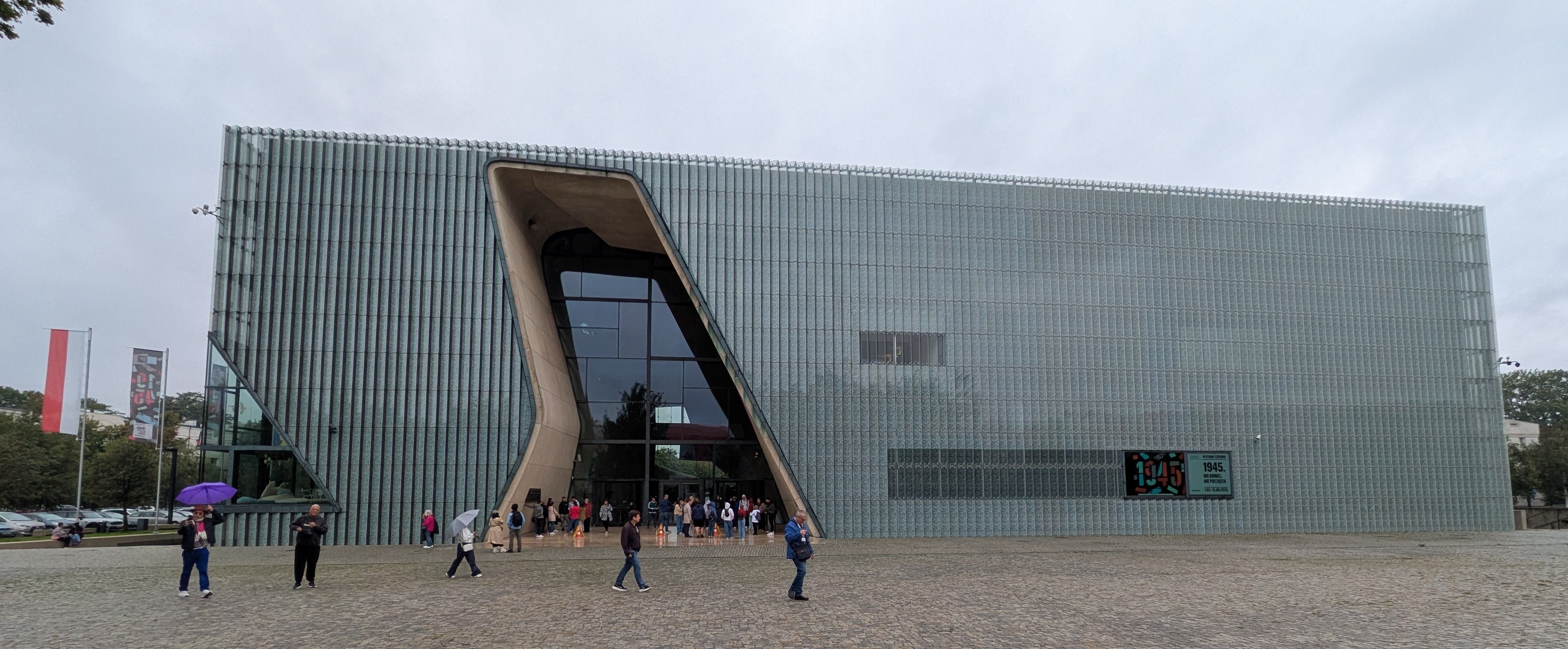
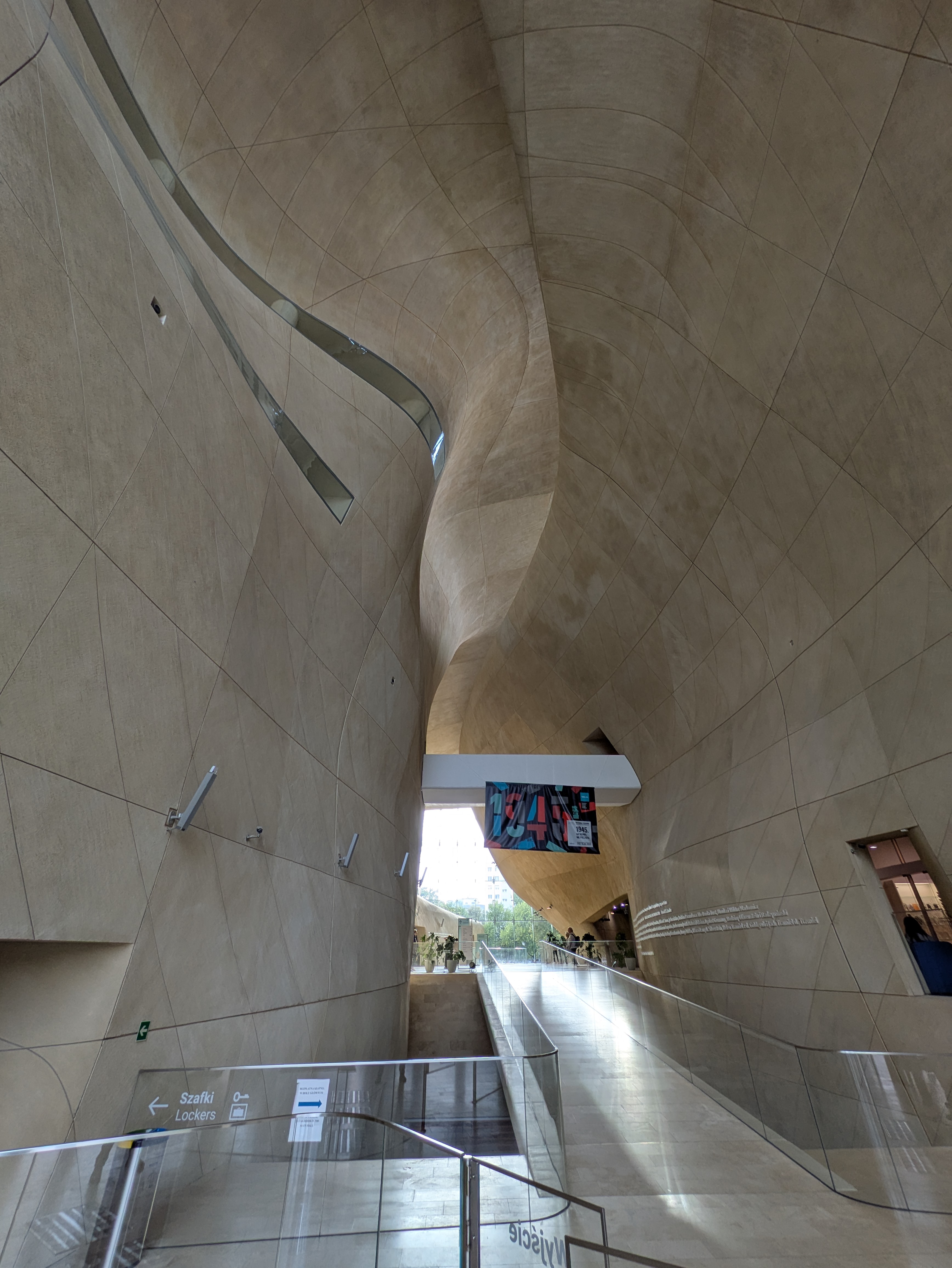
(Above: the bullet-riddled Ghetto wall sitting directly below new-build apartments; the Warsaw Uprising monument; POLIN exterior and interior)
Warsaw offers up another contrast. A dull, pockmarked, brown brick wall supports a modern apartment block of light-grey concrete and glass, several stories high, and not unlike that in which I live. The brick is rough with scars and the pockmarks are large enough to fit tennis balls in. Those pockmarks are bullet wounds and this wall is remarkable because it was part of the perimeter that encircled the infamous Warsaw Ghetto, where the city’s Jewish population either perished or clung to existence on rations of 300 calories per day, until they were transported out to the likes of Chelmno, Treblinka and Auschwitz.
Nearby is the site of the wooden bridge over which the Ghetto’s working population trudged each day. The footprint of the bridge is marked out on the pavement and its height defined by metal stilts, illustrating how steep those steps were and how agonising the climb must have been on such a restricted diet.
A walking tour of Jewish Warsaw, led by a charming and enlightening guide, brings to life a community that had been wiped out and was otherwise familiar only through grainy archive photos or cinematic reimaginings, such as in Polanski’s The Pianist. Starting at Nożyk Synagogue, the only synagogue in Warsaw to have survived WW2 (by virtue of having been used as a depot by the Nazis), the tour charts the triumphs of what was then the world’s second largest Jewish population after New York, and its eventual annihilation.
The tour terminates at POLIN Museum of the History of Polish Jews. POLIN has free admission on Thursdays, but this outstanding museum is worth every penny of the entrance fee. Past the (understandable) security check, the entrance hall alone is breathtaking, a welcoming path hewn between gracefully flowing, massive sand-coloured walls, evoking the deserts of Judea.
The Hebrew word ‘polin’ means ‘you will rest here’, which apparently encouraged Jewish merchants to make Poland their home from the 10th Century CE. POLIN thus charts a chronology of Jews here over the past thousand years. The section between the diaspora’s arrival through to Polish partition (18th C) was of particular interest both because of my ignorance of the subject and the museum’s first-class presentation. The audioguide walks the visitor on a journey through replica medieval houses, market squares and synagogues, and later through train stations and streets. I spend hours here.
The final room invites visitors to sit and watch a film of interviews with Jewish Poles describing their relationship to their faith and their nationality today. It closes with the interviewer asking a little girl “are you a Jew?”. After a momentary pause, she replies with the most of astute of answers, bringing a lump to my throat: “I don’t know yet”.
POLIN leaves me with the deep sense and reminder that the Jewish story is a global story, not only a Polish one.
The museum’s cafe serves up a fine selection of Jewish food – the vegetable and barley soup hit the spot – and very good coffee. Searching for somewhere to sit, I notice the young Czech couple who’d been on my walking tour beckoning me to the spare seat at their table. Falling into easy conversation with their fluent English, we mull over what we’d learned from our day, with their insights being particularly interesting given that one is half-Jewish and the other half-Russian. We continue to enjoy conversation over cake and another coffee until it’s time for us to go our separate ways.
Solo travel allows such freedom. Freedom to think, to not think, to wander at will and engage with whoever, whatever, however, whenever. It’s easy to cordon oneself off, too, creating a conversation deficit. Encounters like that with my Czech dining companions spark the endorphins, but are just as likely to leave a sense of regret as they are to energise.
Directly south of ‘Stalin’s gift’, Śródmieście Południowe is what I envisaged modern day Warsaw to look like. Between the familiar global hotel brands sit independent shops and cafes on the ground floors of off-white buildings, mostly built post-war but some displaying a more historic character. The broad boulevard of Marszałkowska acts as the trunk with borderline hipster streets such as Hoza and Wilcza branching off it. As with all hipster spots in major cities, this is a rejection of the rest of the country, not a representation of it.
My visit coincides with Warsaw Gallery Weekend, being held in indie galleries and even private homes. One such venue, in the top-floor apartment of an art deco block, is more interesting than the feminist art on show there, allowing for a snoop around the home of a Varsovian art fiend. Across the festival there is little that appeals to me, but the works are clearly deeply personal and there is a refreshingly strong female showing.
Leaving the apartment block, something catches my ear, something I’ve noticed all over Poland: it is uplifting to hear so much music being practiced in people’s homes. Almost every day, whilst out on my wanderings, I notice the tinkle of ivory keys emanating from apartments or choirs going through their scales in community centres. Fryderyka would surely be proud of his home town.
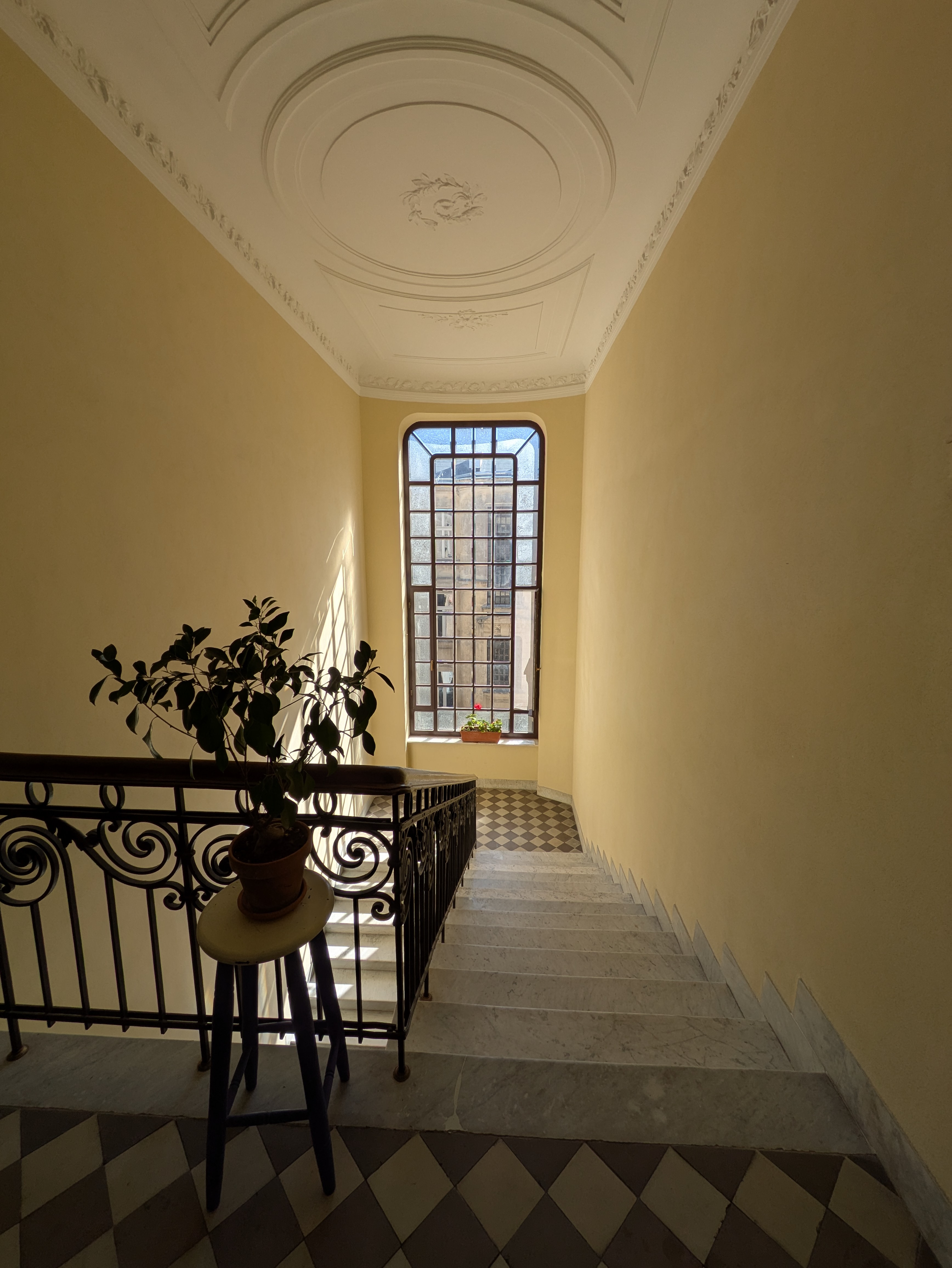
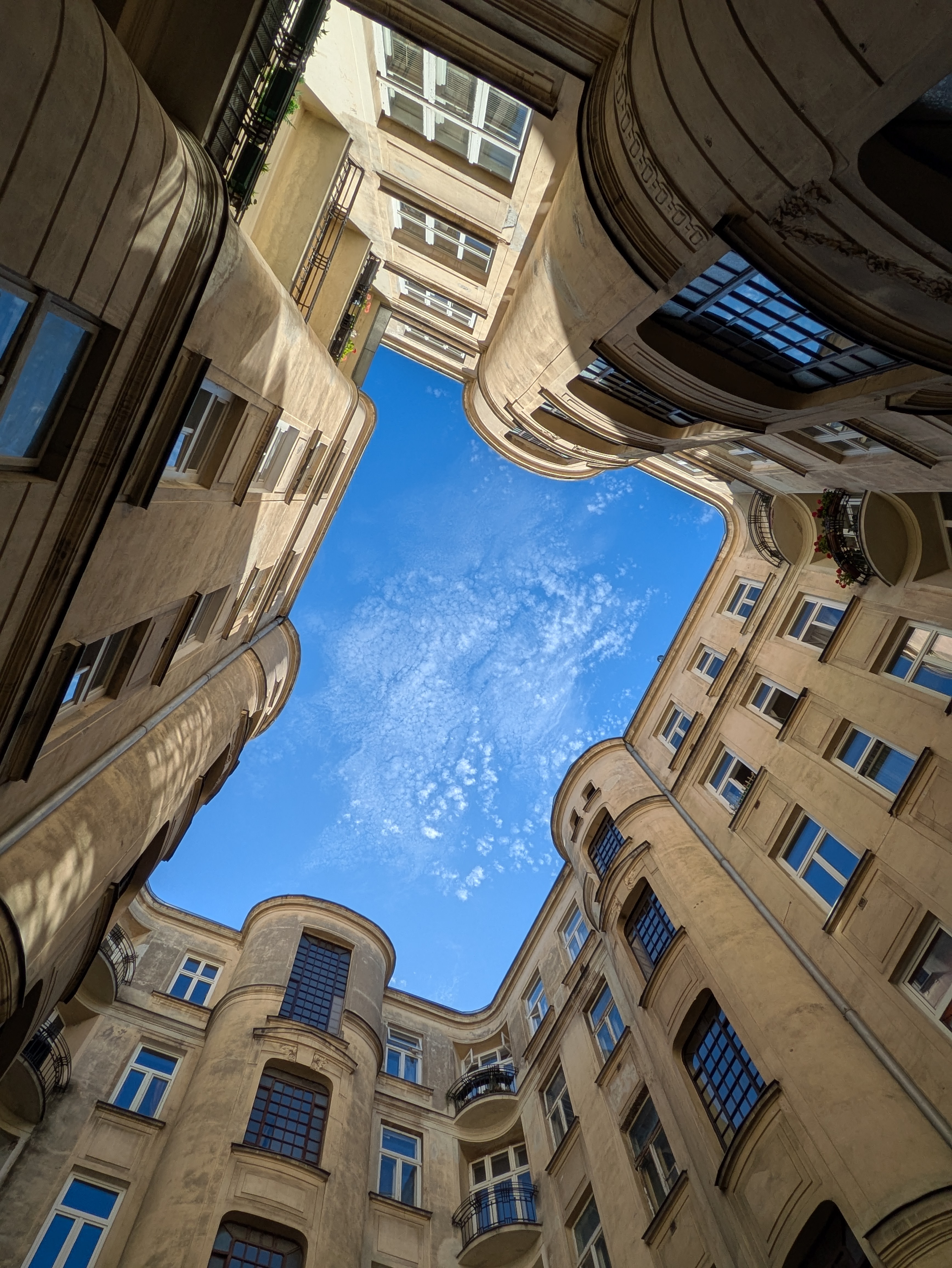
(Above: the art deco apartment block acting as one of the venues to Warsaw Gallery Weekend)
Between Śródmieście Południowe and one of the Vistula’s sweeping curves lays the palatial park of Łazienki Królewskie. Of a Saturday afternoon it seems that half of middle-class Warsaw is there to enjoy this former royal parkland, with its peacocks, boating lakes, and stately former-palace adding to its regal elegance. It’s even home to the first red squirrels I’ve ever seen in the wild, darting around to collect acorns from under the oaks.
A splendid place to end my stay in Warsaw, but there’s time still for one more contrast: a stop for a beer at a grungy little bar within the park, an incongruent watering hole among such manicured surroundings. British post-punk plays on the bar’s soundsystem to a clientele of millennial Poles wearing American skater brands drinking pilsner al fresco in a park that was built during the Polish-Lithuanian Commonwealth. How’s that for contrast?
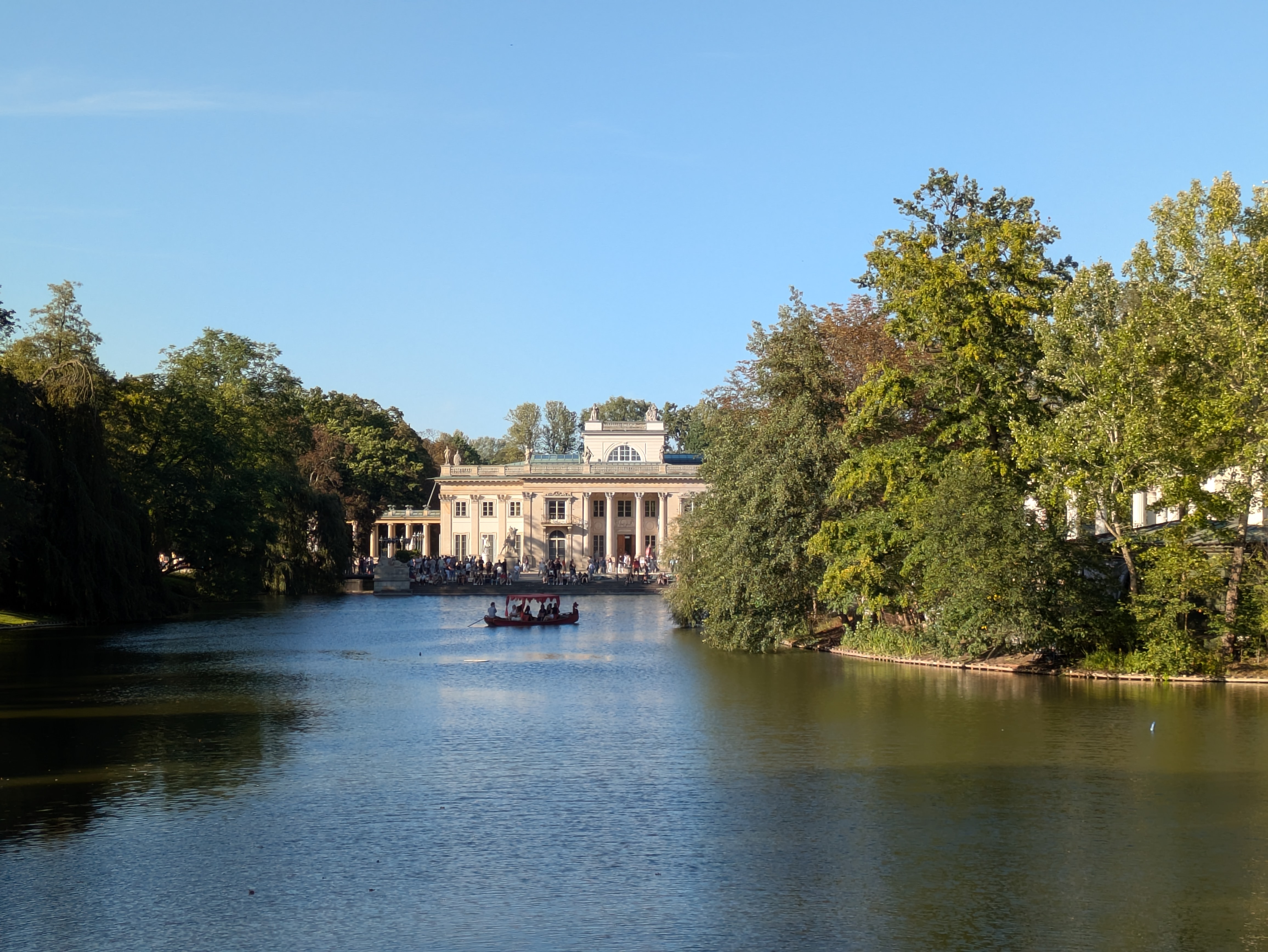
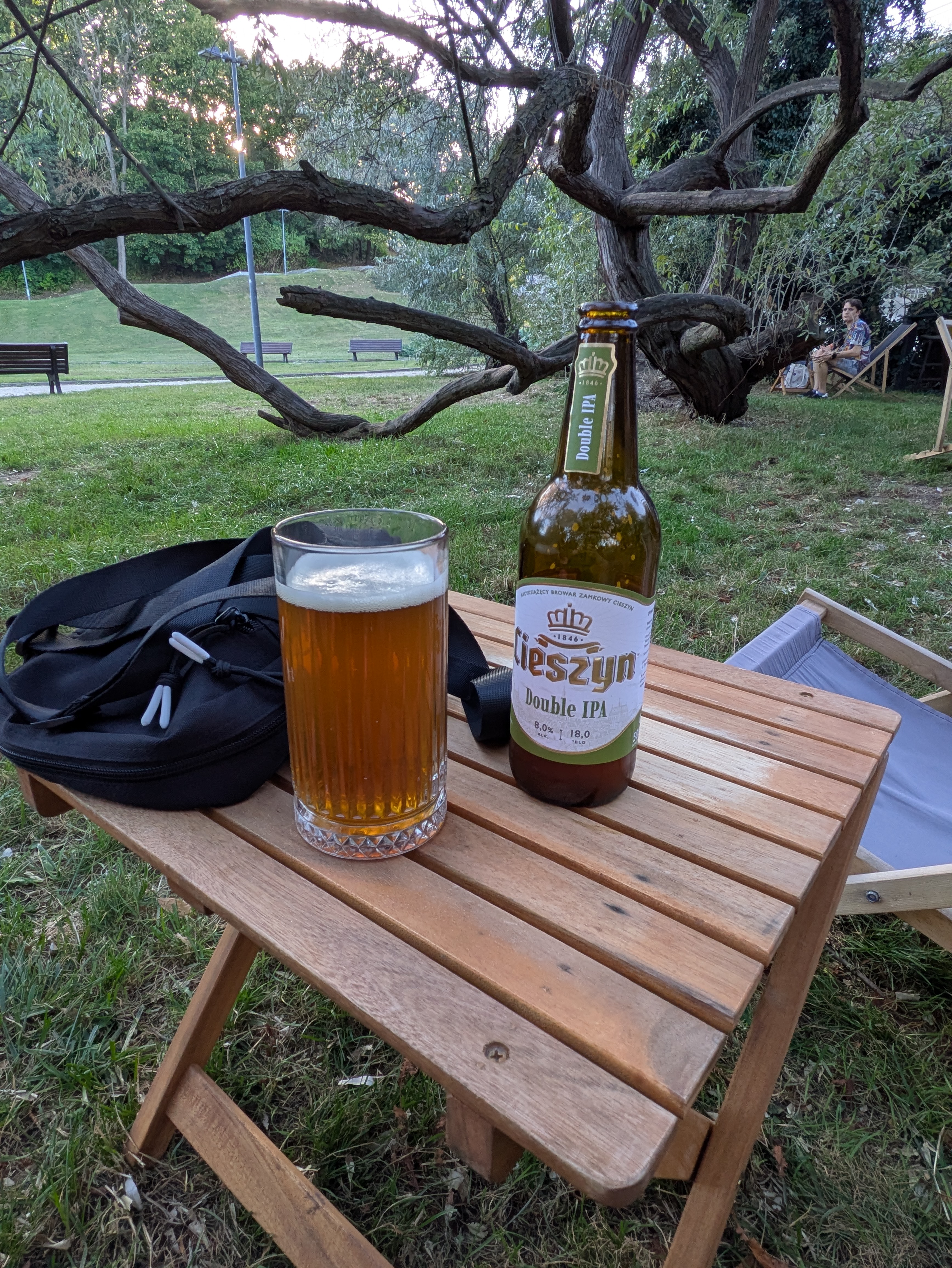
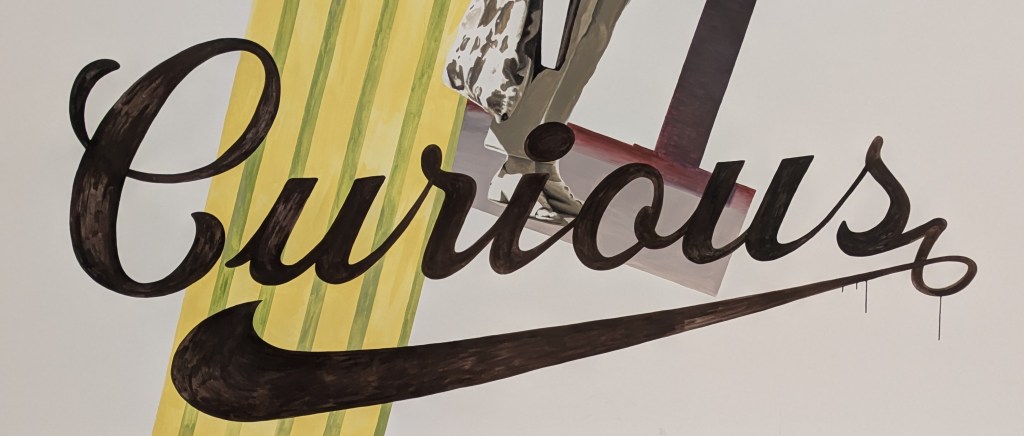
(Above: Łazienki Królewskie; Na zdrowie!; Below: with apologies to the artist, something Curious at MSN)


Leave a Reply