Home is where I want to be,
Pick me up and turn me round,
I feel numb, born with a weak heart,
I guess I must be having fun
Talking Heads – This Must Be the Place (Naive Melody)
Useful feedback from a trusted ally about my recent Warsaw post got me thinking about the roll that ‘home’ plays in how we see the world. On the sentence describing the apartments built above what was once the wall to the Warsaw Ghetto, an apartment block which I noted is “not unlike that in which I live”, the advice was to “maybe add ‘in London’, or ‘back home in London’”.
I opted not to tweak my line – it was already published in any case – but it got me thinking: how important is home when writing about being away?

At home, I have a framed world map – a ‘dymaxion projection‘ – that shows the continents seemingly rearranged. An upside-down Australia floats above an upside-down Asia, the Bering Strait the hinge from which the Americas dangle – oriented correctly – with Antartica suspended below. It hangs on a wall near my front door; the conceit being that, as I leave home, it will beam a subconscious message to my brain reminding me to view the world differently – that the world doesn’t have to be seen the way it’s usually presented to us.
Home provides a benchmark and a counterpoint against which to gauge our experiences when travelling. Assuming the privilege of home being a place of safety, literally and figuratively the threshold of security, then to travel will always mean varying degrees of risk, danger, or uncertainty. Home is sanctuary, refuge, protection.
Home closes us off from those on the other side of the wall, turning them into the outsider, the other, the stranger. Travel inverts this, folds it inside-out, turning us into the outsider, the other, the stranger; just as ‘extraneus‘, the Latin for ‘stranger’, became ‘estrangier‘, the old French for ‘foreigner’, and then ‘étranger‘ in the modern. To be foreign is to be strange.
Home, to English speakers, doesn’t just mean the building we live in, of course. It can also mean our area, our city, even our country. This is useful. It means that I can be sat on a train in Poland wondering why it sounds and feels different to the trains ‘back home’.
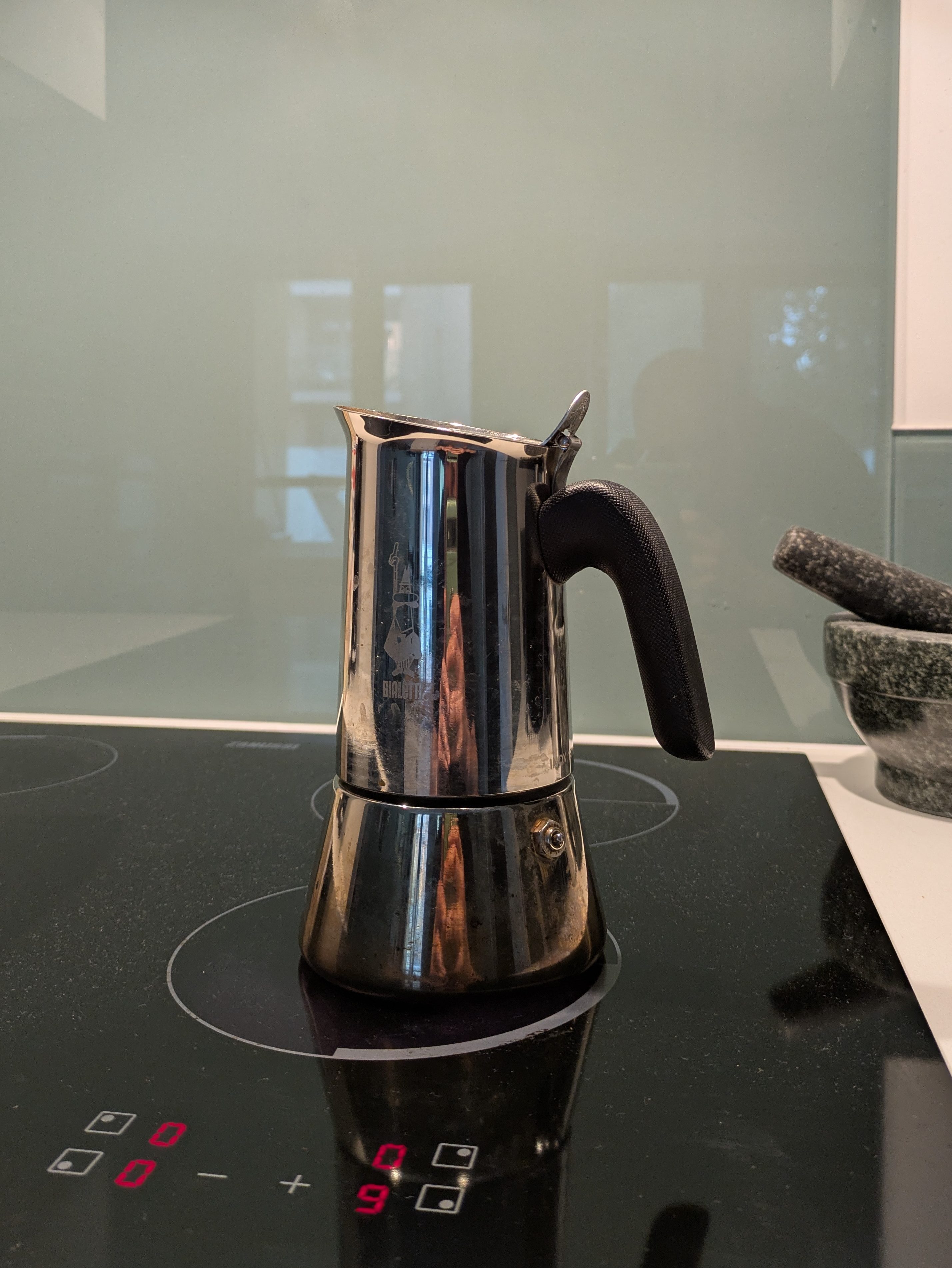
Every morning at home, the first thing I do after rolling out of bed is to take the six of seven steps to my kitchen, and put my coffee pot on the hob. The overhead fan goes on. I might lean against the worktop, roll my neck a few times, yawn. I may flip open my laptop or switch on the radio, and let a little of the world in. But the routine is always the same.
When travelling, who knows where the coffee will come from, how good it’ll be, where I’ll drink it? The routine will be broken, and I’ll have to go out to look for that cuppa. The ease of tumbling out of bed and stumbling to the kitchen is now a task that requires some effort. But for ‘effort’ read ‘opportunity’.
The act of hunting for caffeine in an unfamiliar place creates the adventure of turning down a street I wouldn’t have otherwise looked down. It means capturing soundbites from the conversation between strangers in the queue, then scowling at the poster behind the espresso machine as I try to translate what it’s flogging. It culminates in an awkward attempt at placing an order in some foreign tongue – an exchange where I don’t just take away an americano, but carry with me an observation on a mannerism or bewilderment at a convoluted sales process. It is always something new, even if it’s just coffee.
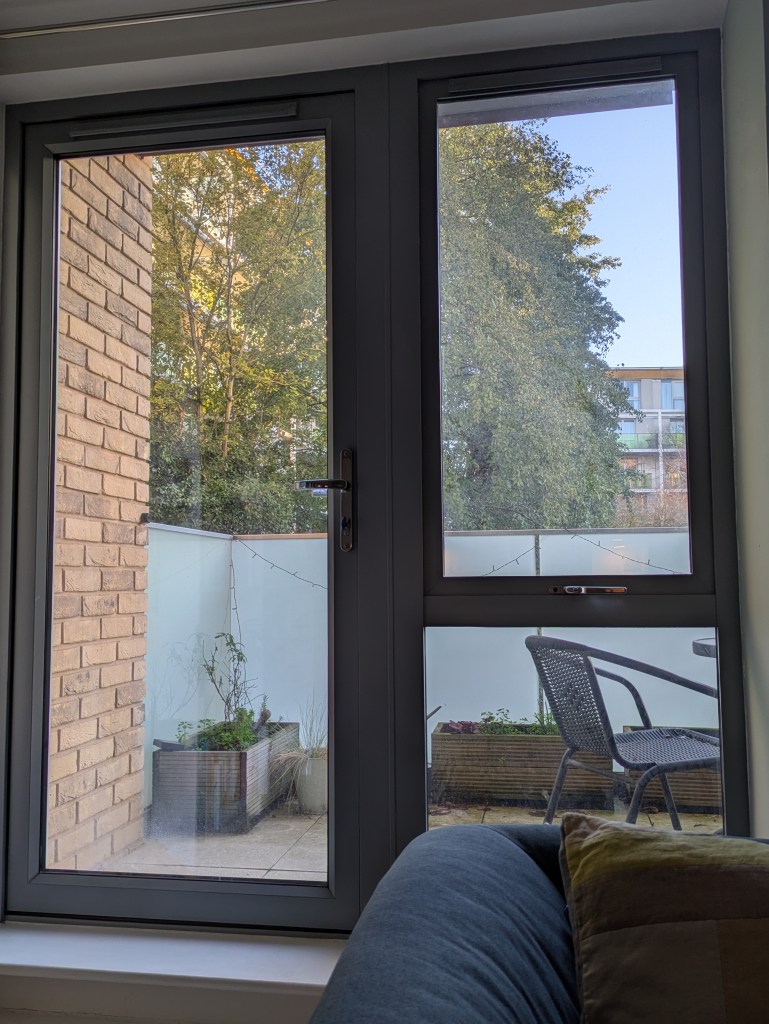
At home, the view is always the same. The seasons will change, the leaves on the horse chestnut that leans towards my balcony will go green, turn brown, drop off, but the tree will remain and renew. The pages of the calendar flip from month to month. The little girl in the flat opposite will grow taller, and grow out of dressing as Elsa. But nothing really changes.
Travel means an ever-changing view. Something different every time, every place. The Seine flows and the Elbe rolls. Snowdonia rises whilst the Andes tower. You don’t walk at the same pace through five blocks of Los Angeles as you do through a barrio in Lima.
But most of all, travel – being the outsider, being the other – means a different version of our self to the self at home. We have to be different because where we are is different. Away from home, people talk differently, move differently, eat differently. We shape-shift to fit in, no matter how fleeting our encounter.
For me, travel means thought. And if ‘writing is thinking’, then there is a direct route from sitting on a train between Berlin and Dresden and typing these words.
The act of movement – be it a train ride between two cities, a flight between two continents, or a walk from hotel to cafe – is where my thoughts come to me clearest and truest. The irony is that I had to be sat at home to realise this.
The epigraph you’ll find on the Ramblelogue homepage, taken from Louis-Ferdinand Céline’s ‘Journey to the End of the Night’, reads“Travel is useful; it exercises the imagination. All the rest is disappointment and fatigue”. Home is neither disappointment nor fatigue; it is simply where we are most likely to notice those sibling dispositions.
Travel is so generous for giving us space for thought and room to exercise the imagination, but perhaps we first need to return home to see that.
 Tom the Curious: Ramblelogue
Leave a comment