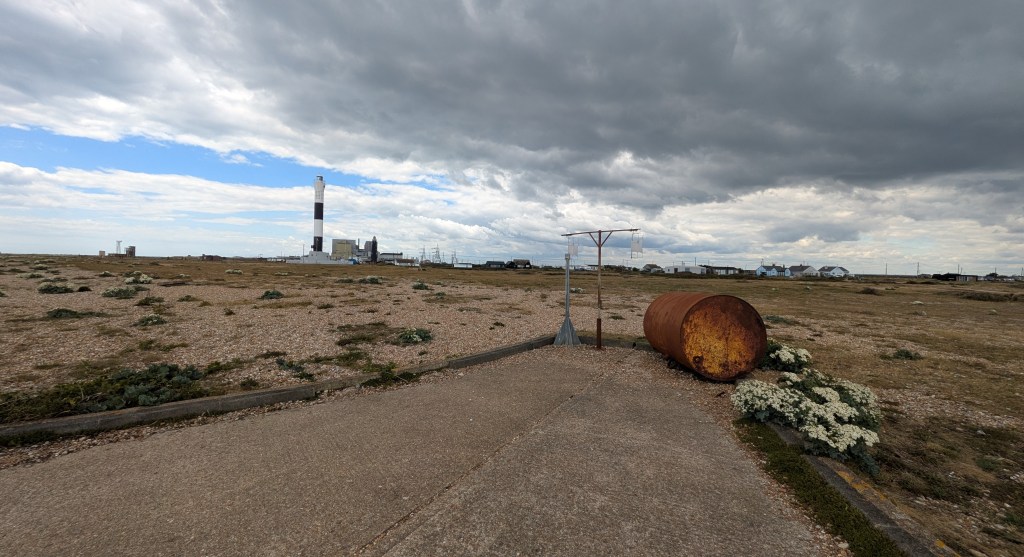
A trip with friends to Dungeness and Rye in the far south-east corner of England. Dungeness is a shingle headland, or cuspate foreland, formed by the longshore drift of the English Channel dragging along the coastline where Sussex becomes Kent. Completely flat and with the Dungeness Nuclear Power Plant looming in the background, the area holds an eerie charm.
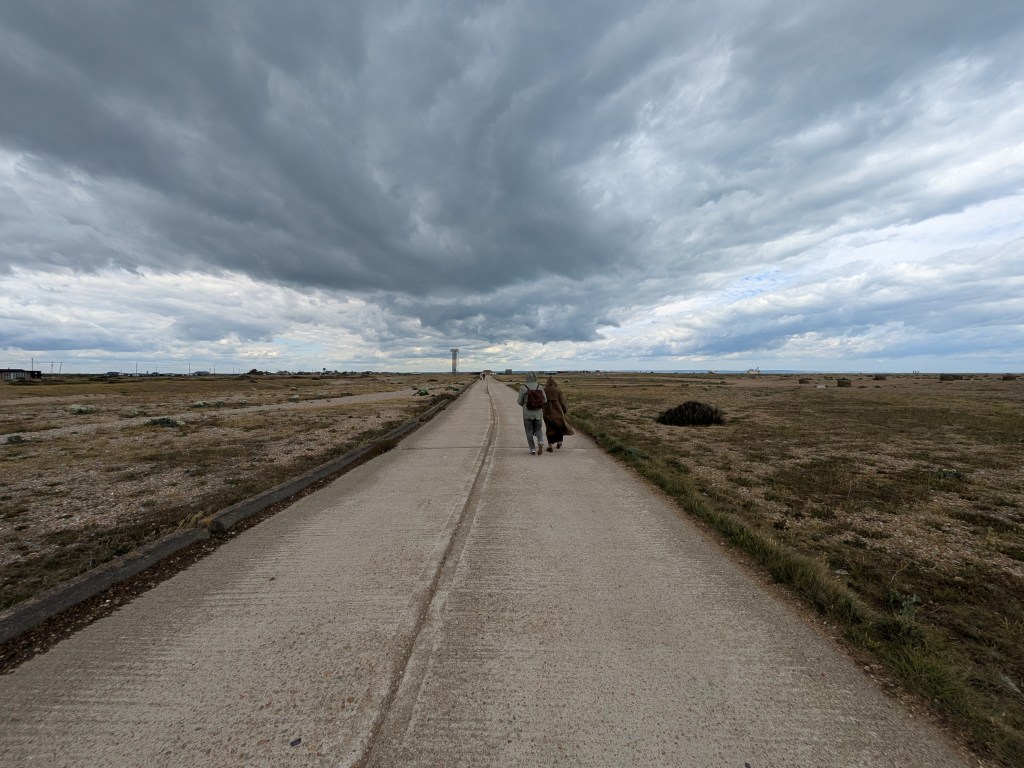
Two survivors of the apocalypse recreate Cormac McCarthy’s The Road.
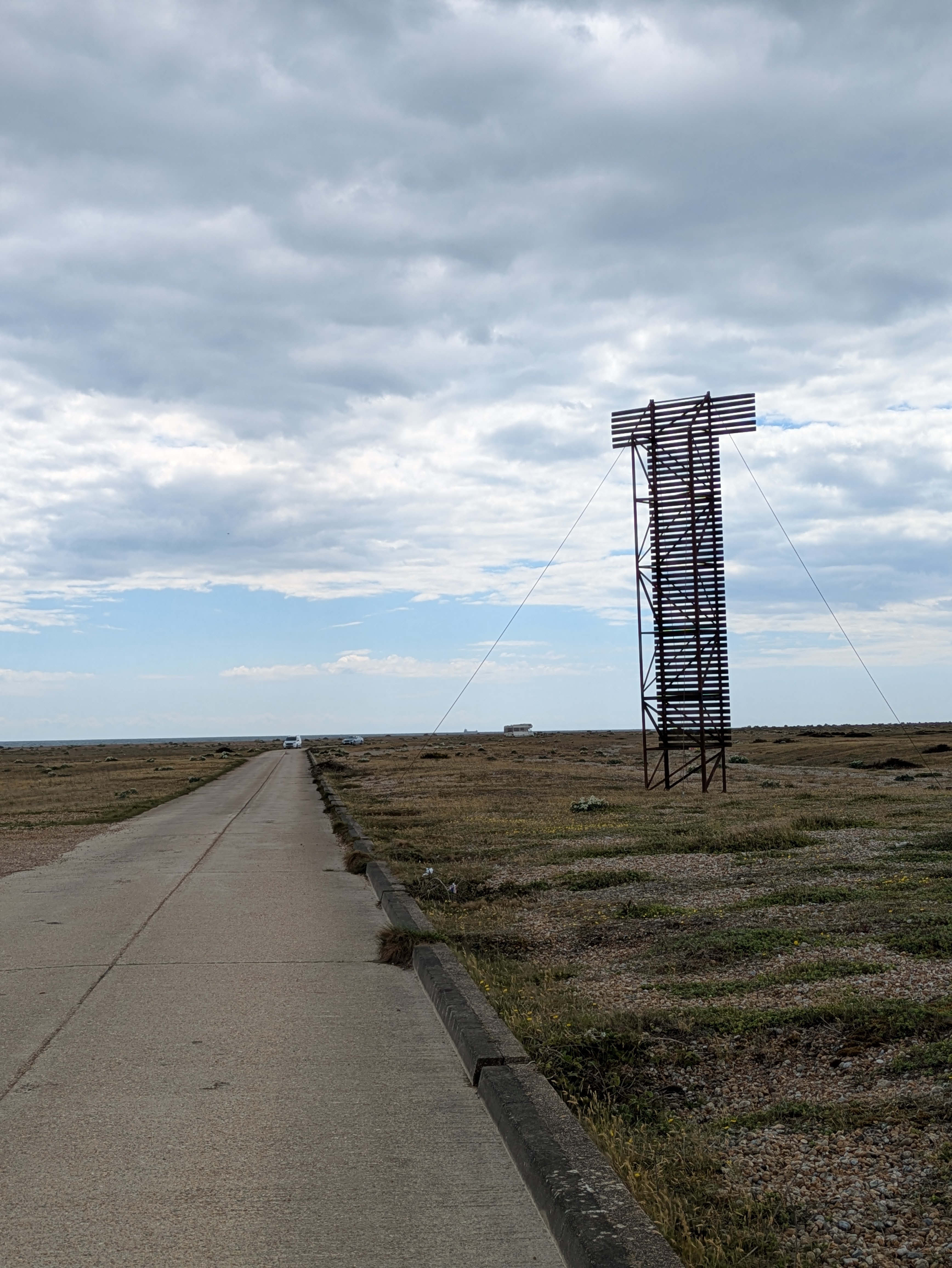
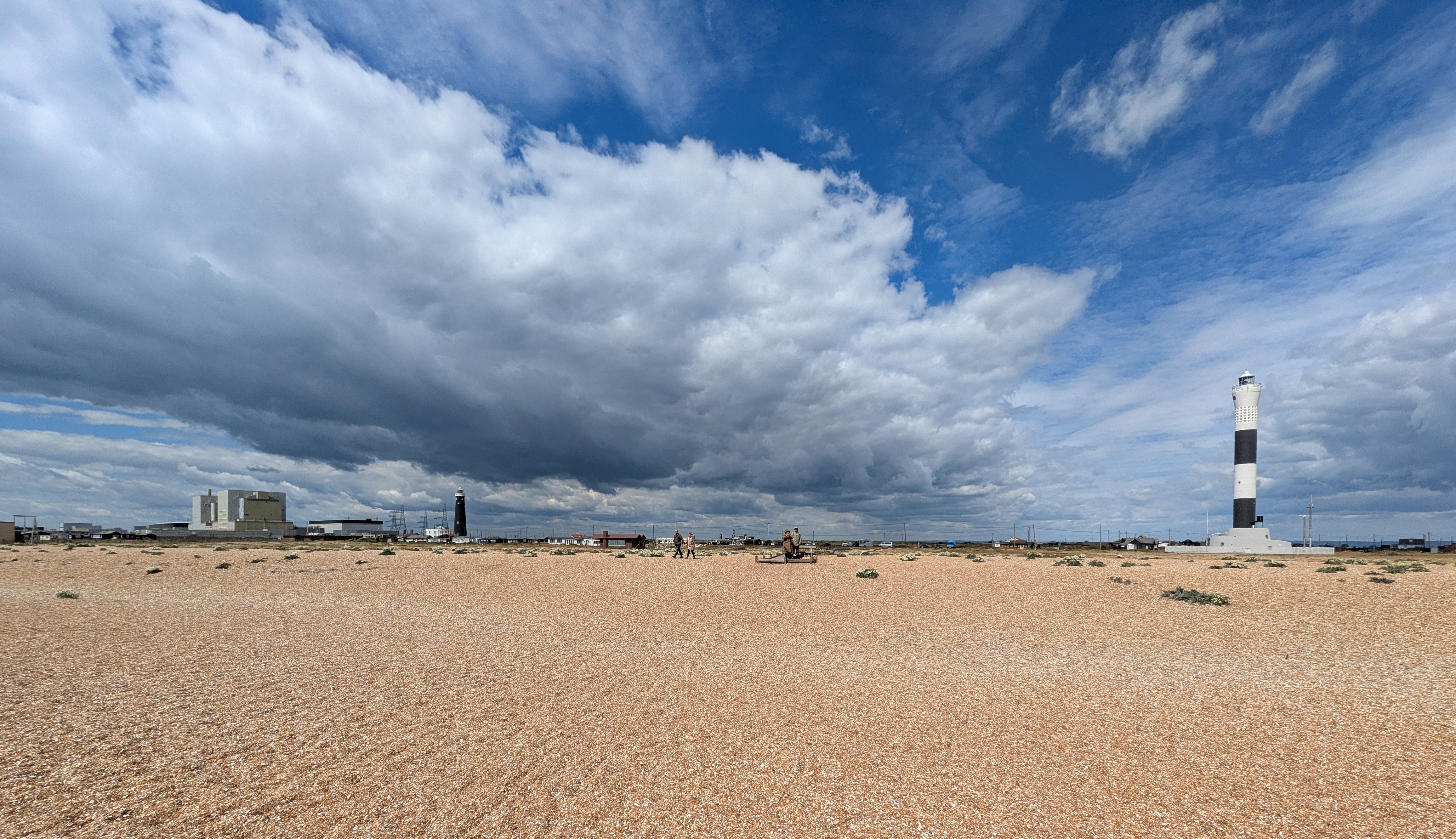
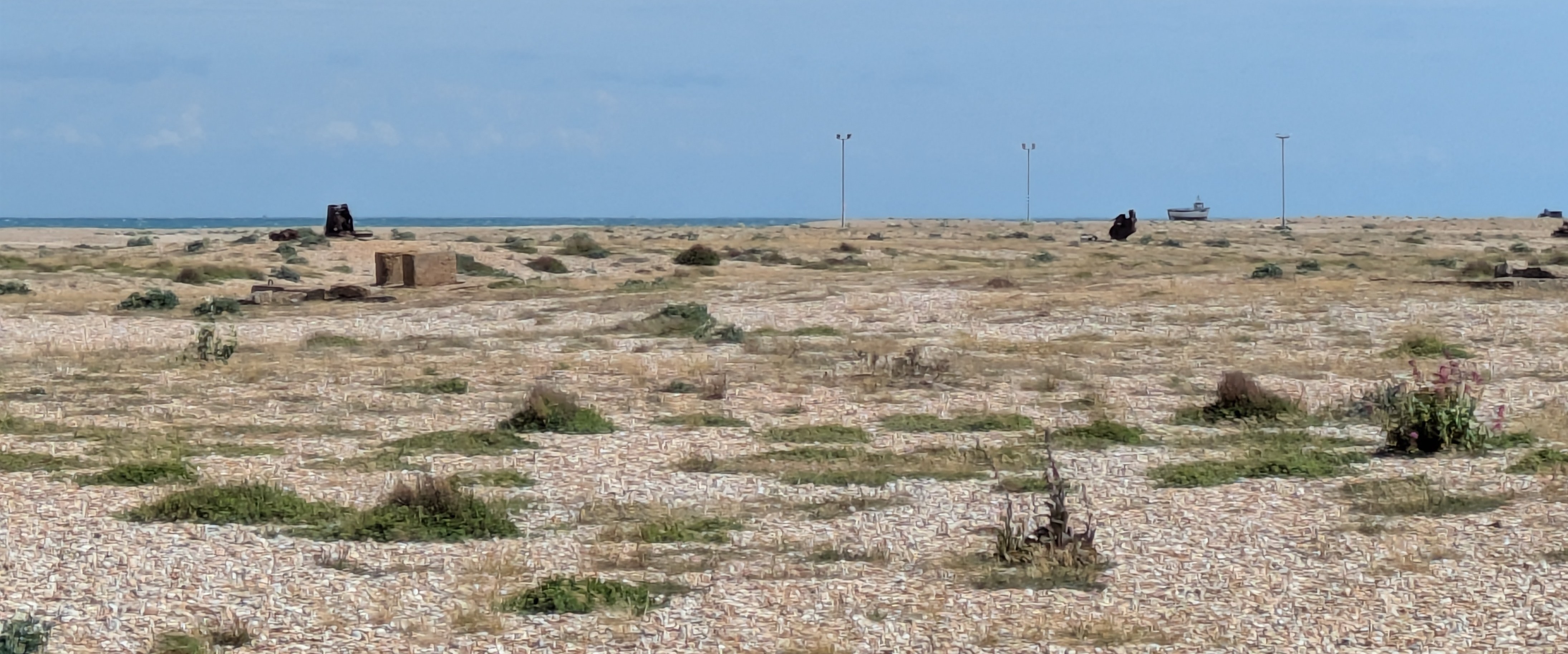
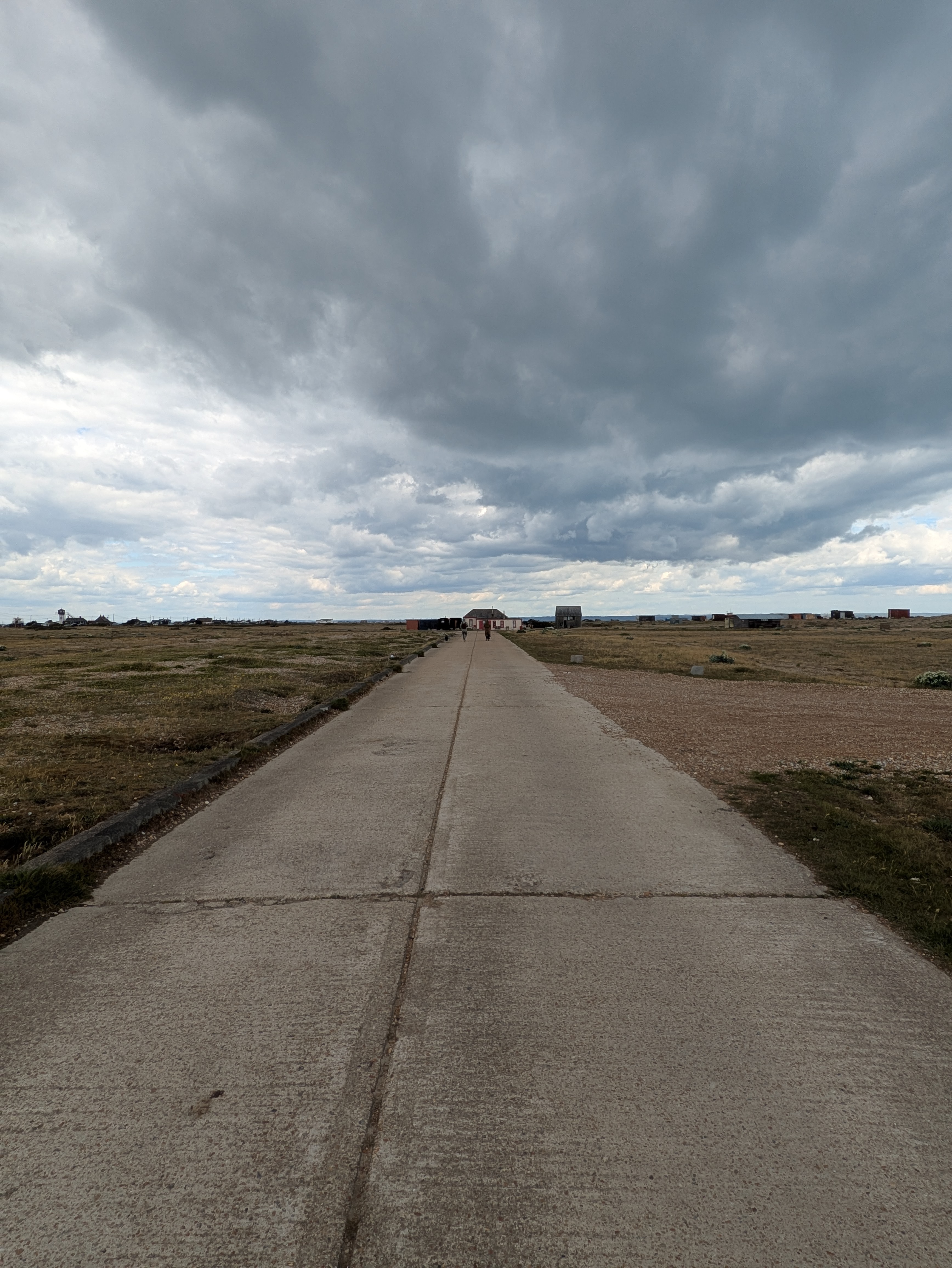
Despite being a Site of Special Scientific Interest, nothing about Dungeness quite makes sense. The place is littered with rusting machinery and unrecognisable structures. Roads disappear off seemingly to nowhere. Mad Max could have been filmed here.
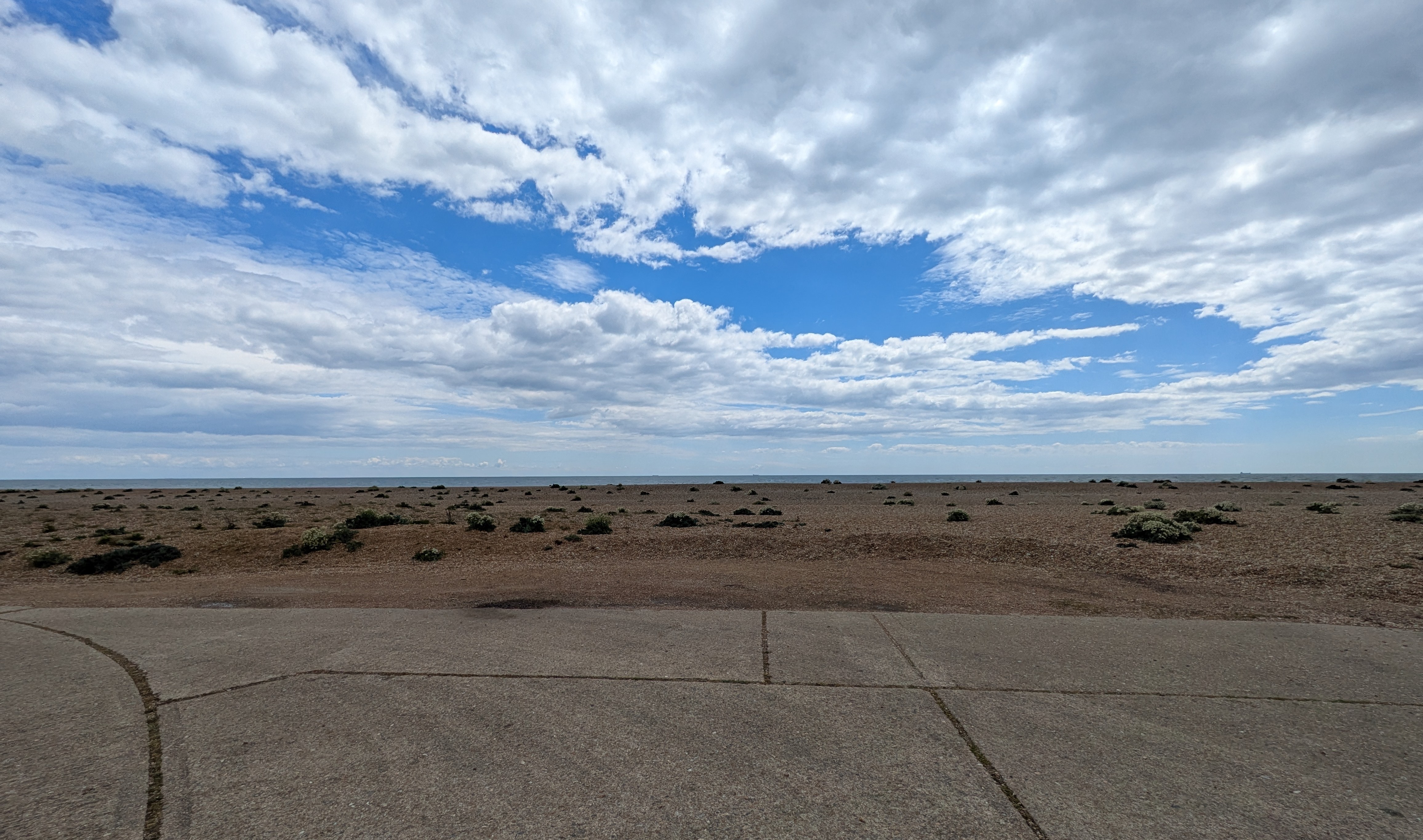
Some claim that Dungeness is Britain’s only desert, which seems highly unlikely as we watch dark clouds roll over in the direction of Romney Marsh.
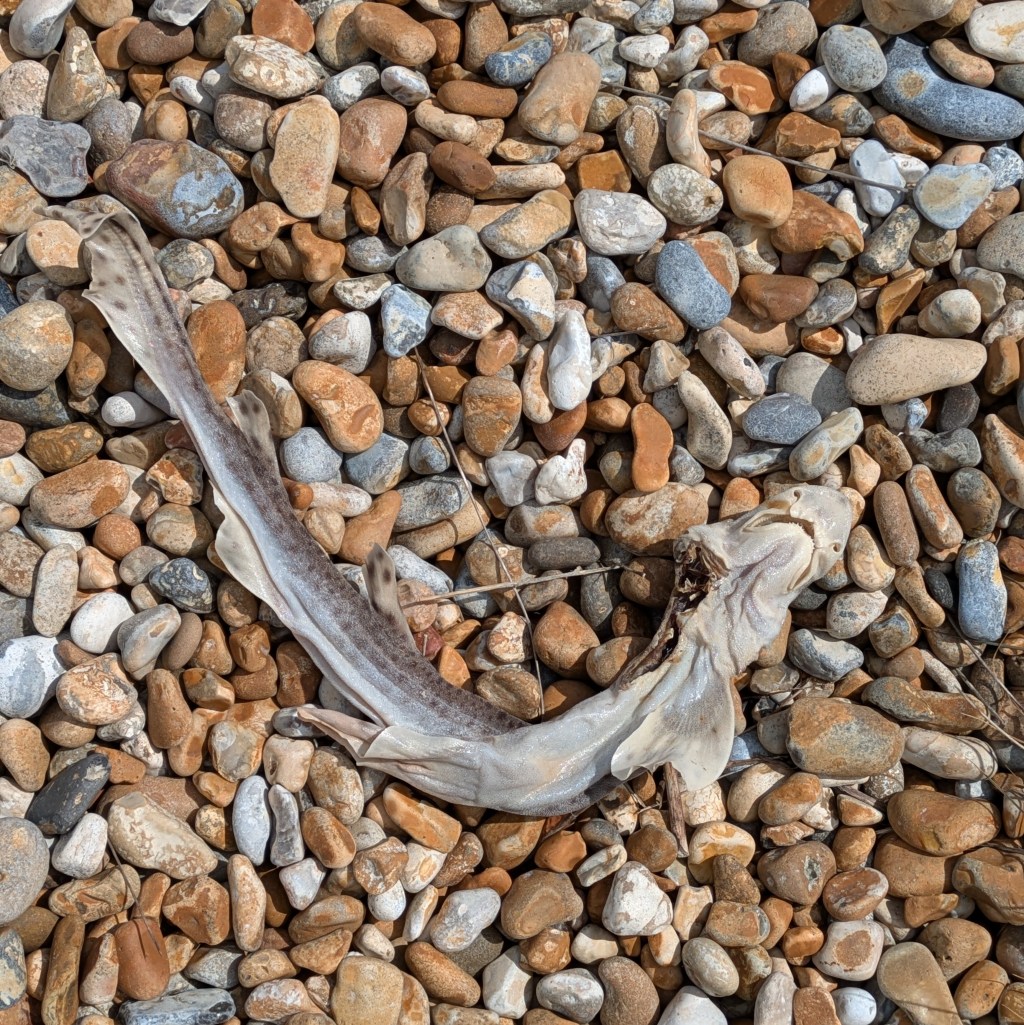
The area is popular for beach fishing. My internet sleuthing concludes that this dried-out corpse, found some 40m from the shoreline, is a Smallspotted Catshark. The area around its right-side gills is rotting away, perhaps from where a dog or gull has had a bite.
The locals often get creative with the discarded maritime machinery that can be found along the beach. Often, it’s hard to tell whether something is a clever sculpture or is simply a discarded shipping part.
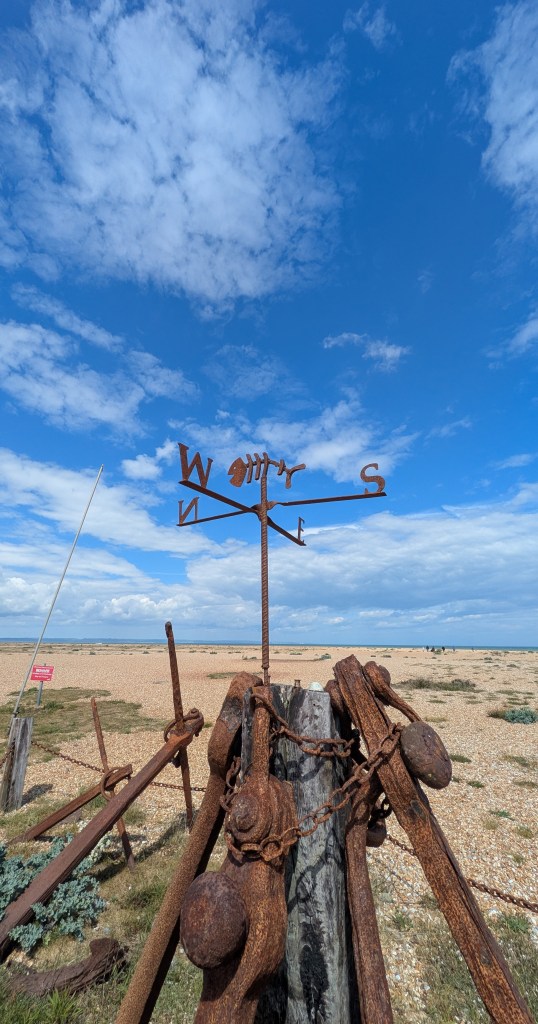
Following this weathervane to the north-east, the white cliffs of Dover were visible once the sun came out.
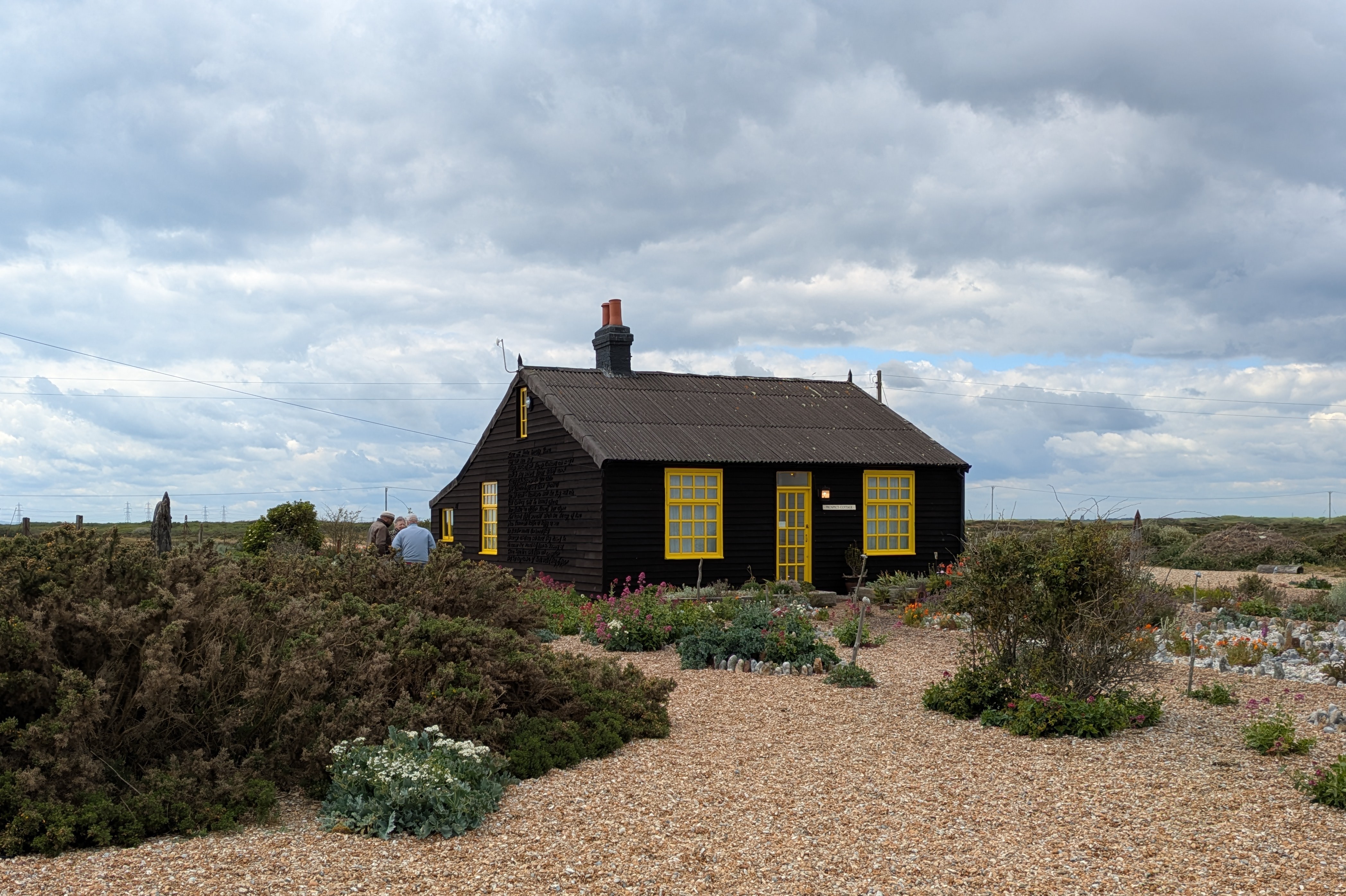
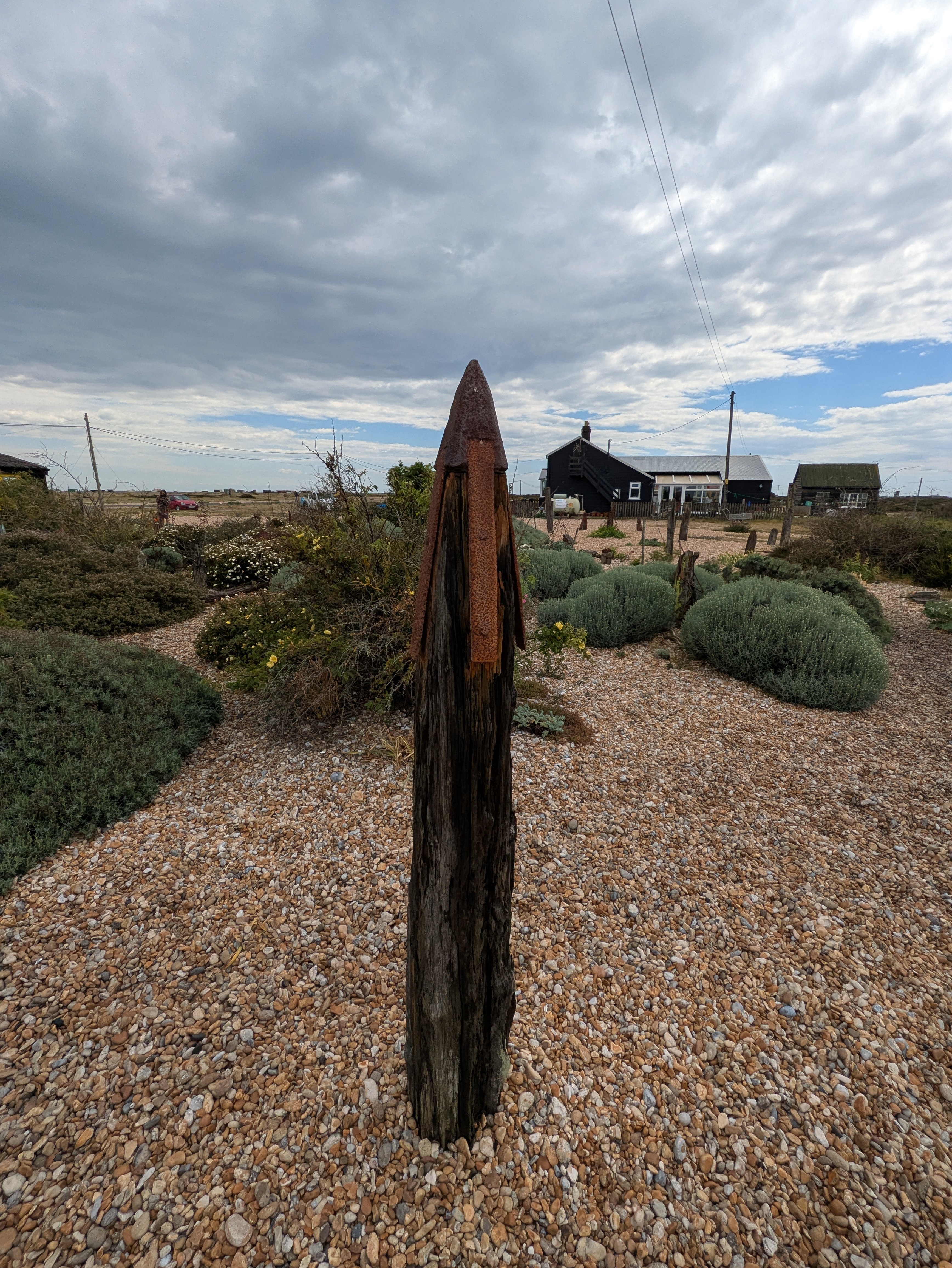
Prospect Cottage was the home of the artist and director Derek Jarman from 1987 until his death in 1994. In 2020, the property was purchased for the nation by the Art Fund, saving it from private ownership. The garden is open to explore and features some of Jarman’s sculptures, which continue the theme of locally salvaged iron and wood.
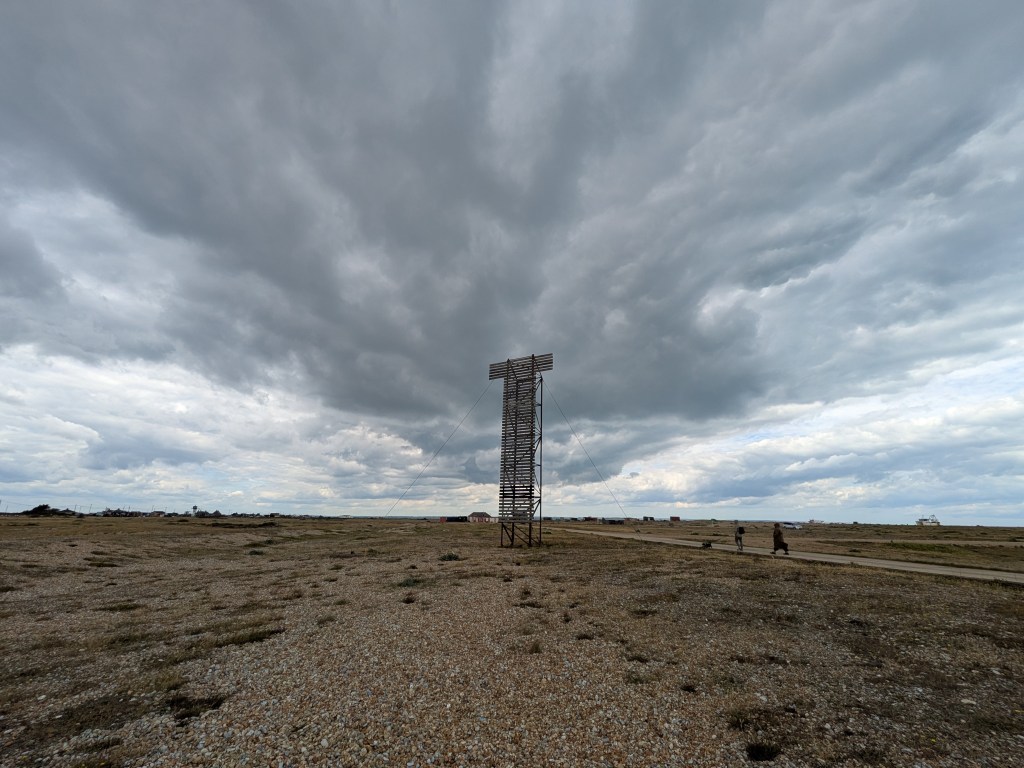
The flat landscape gives way to big skies. At times it felt like we were in Texas or New Mexico, but for the bracing British weather.
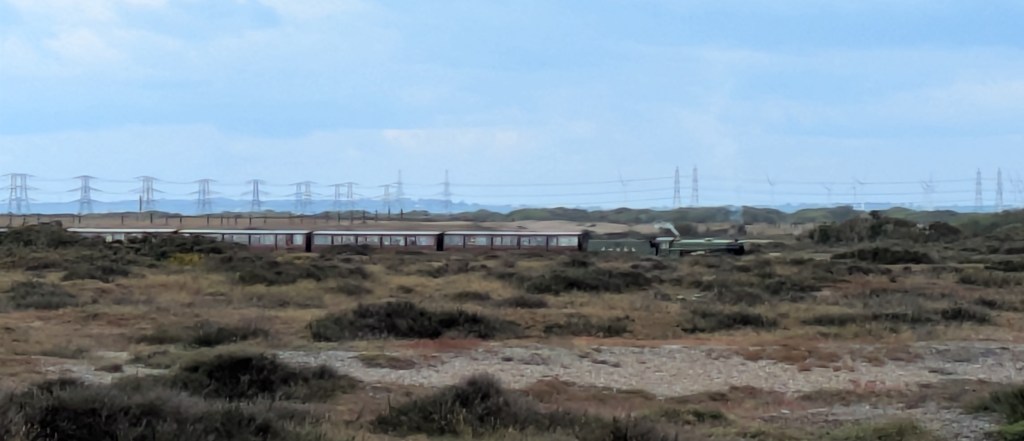
A steam train chugging along the Romney Hythe & Dymchurch Railway foreshadows a line of pylons carrying electricity generated by the nuclear power station. Meanwhile, others choose an alternative retro mode of transport.
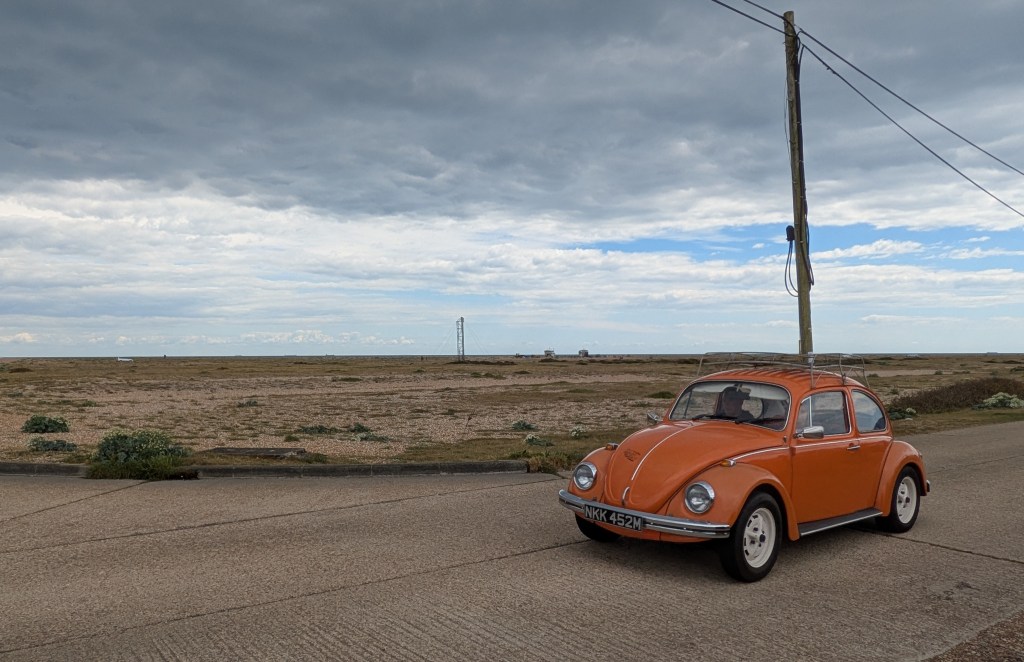
10 miles west of Dungeness is the quaint, historic town of Rye, East Sussex.
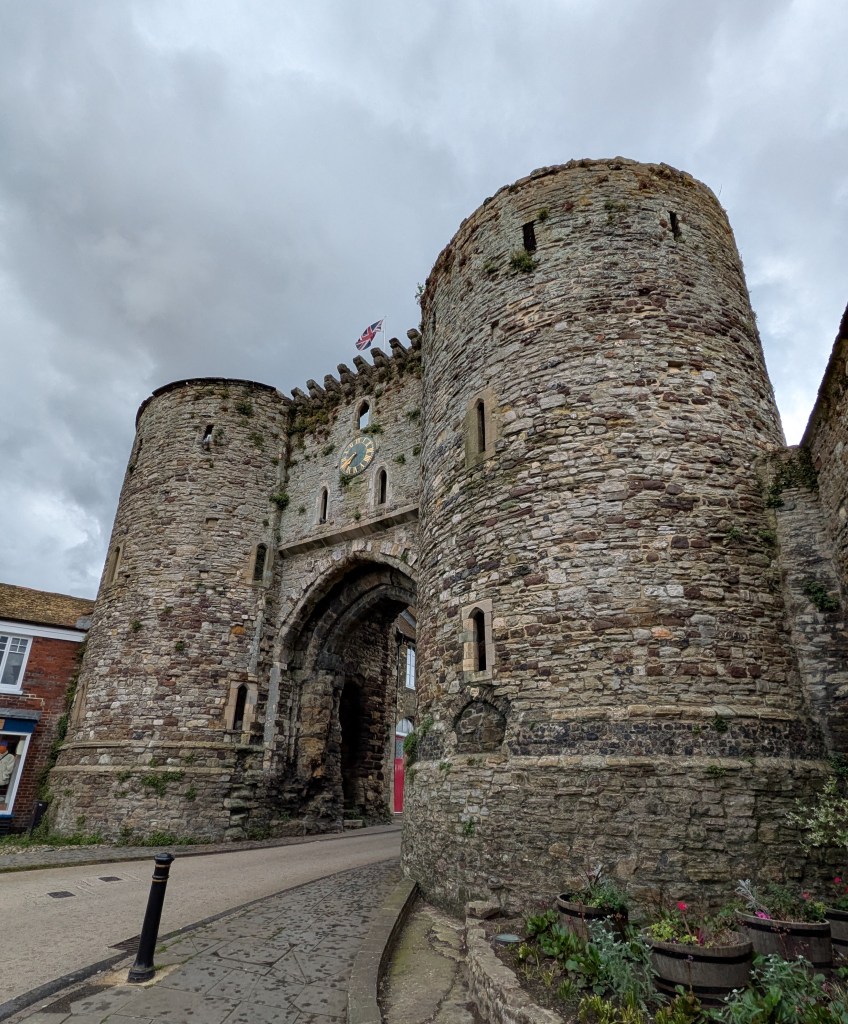
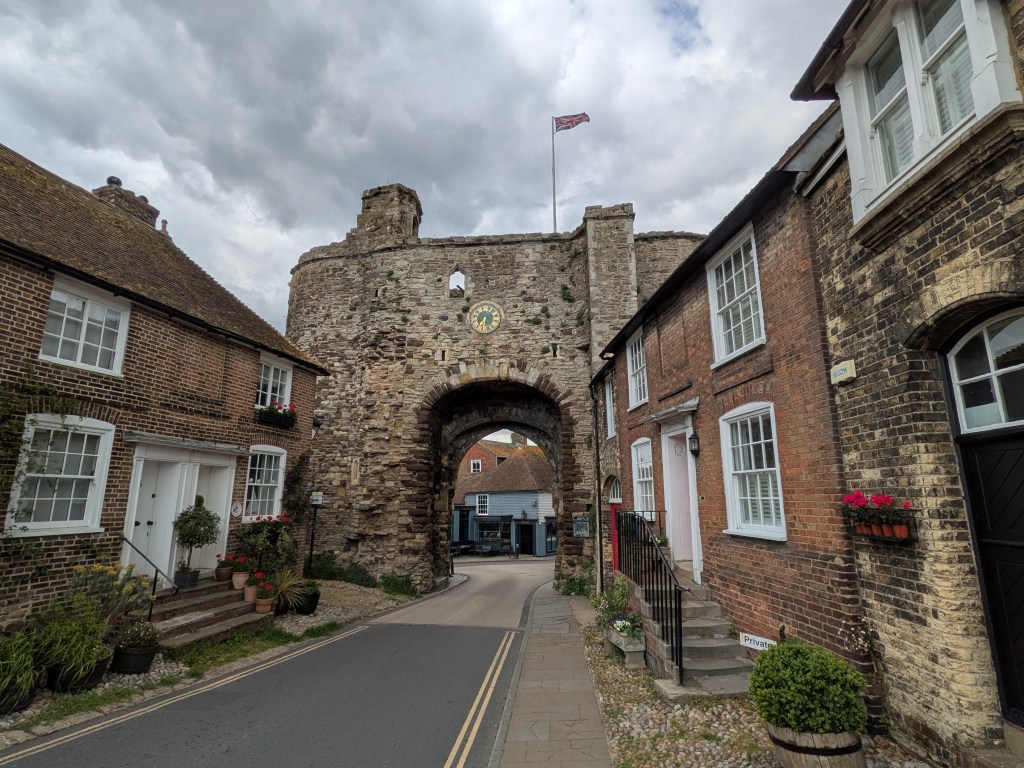
The ‘Landgate’, dating to 1329, hints at Rye’s former status as a port before the coastline silted up, cutting it off from the Channel. In 1189, Rye was designated as one of the Cinque Ports – the group of harbours that were appointed to act as a defence against possible French invasion and as a trading confederation. A new harbour was later built close to what is now the holiday haven of Camber Sands.
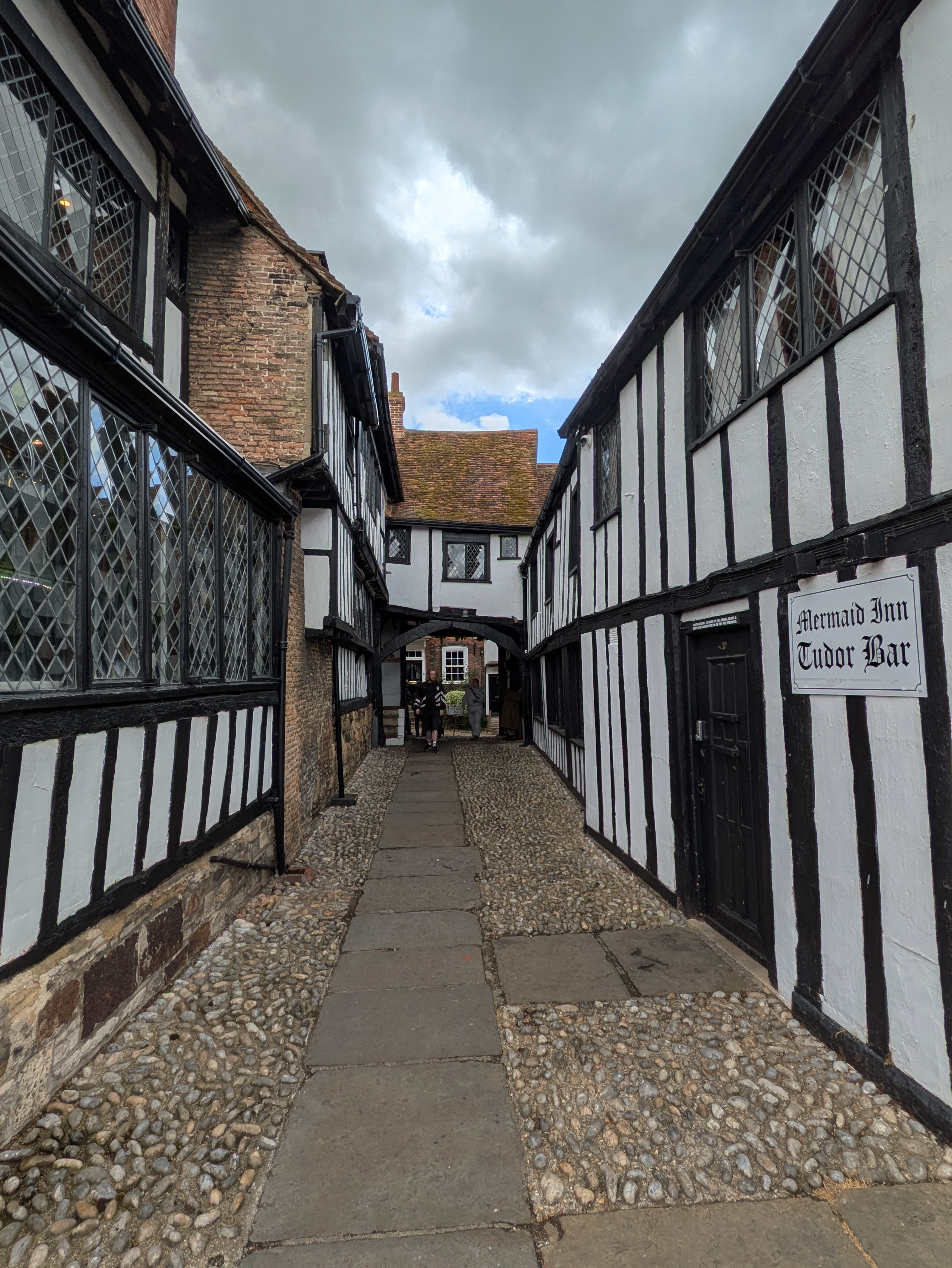
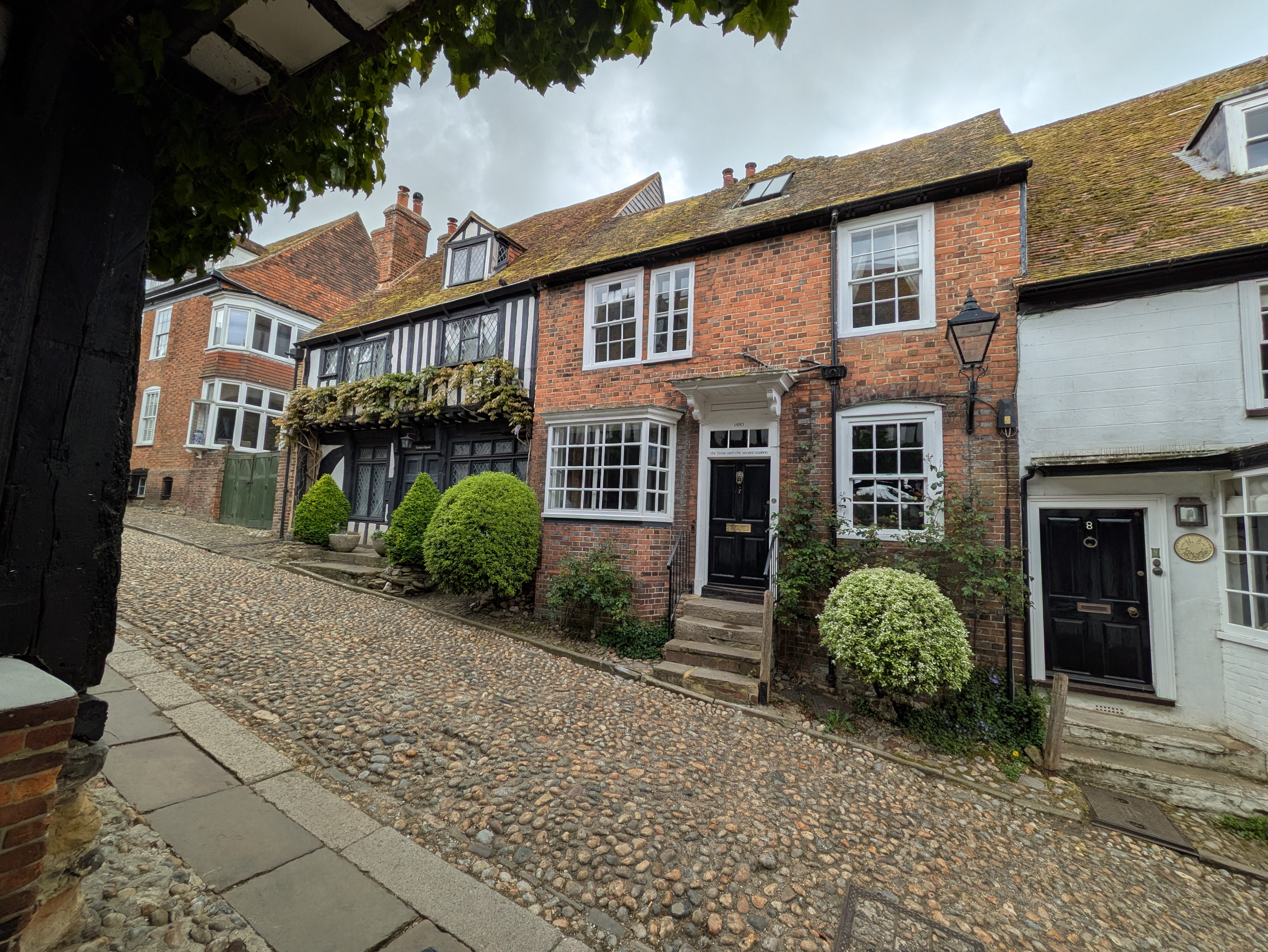
Many of the buildings in Rye reference the Tudor period, although the year 1420 pops up several times, pre-dating Henry vii.
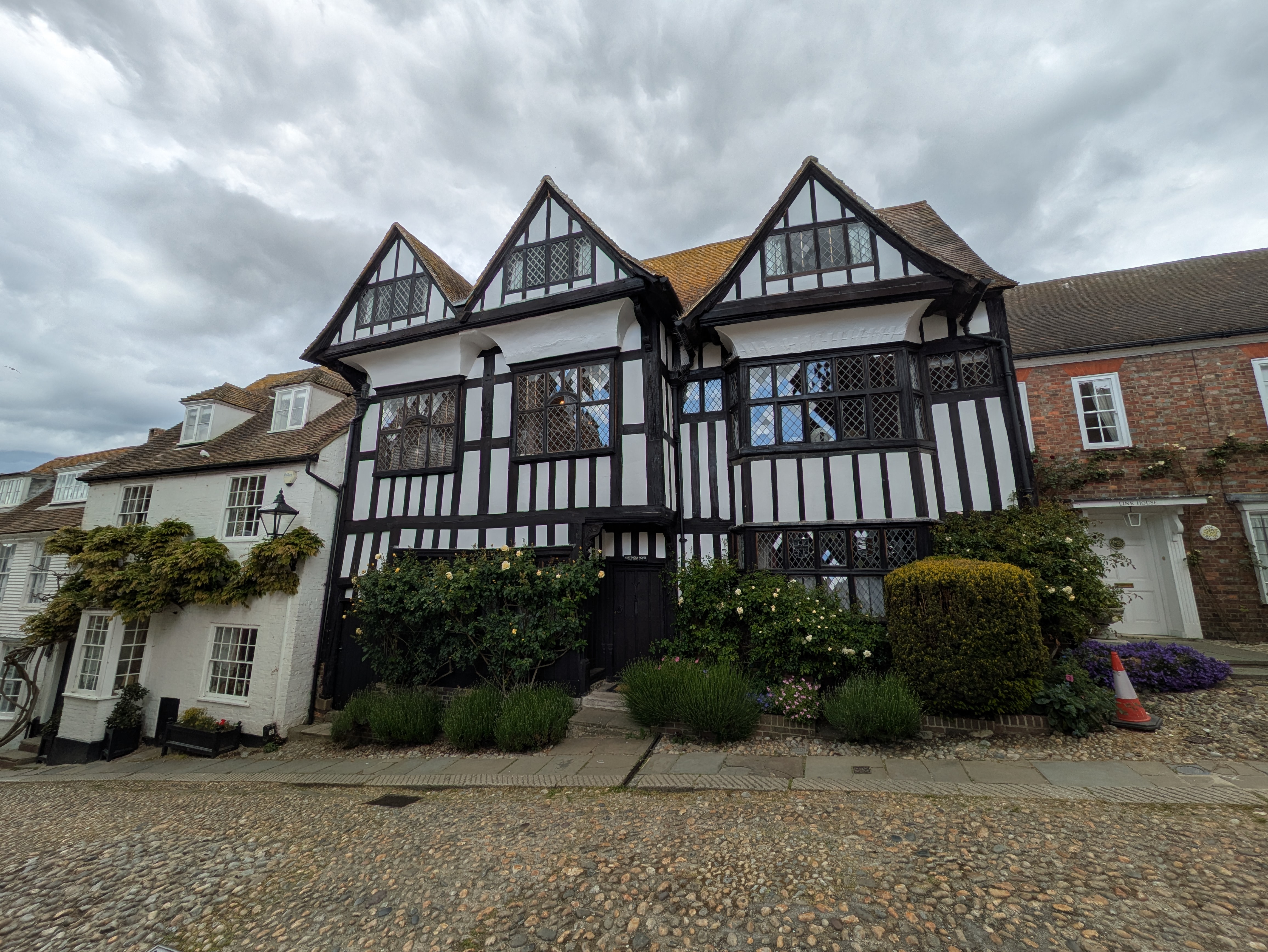
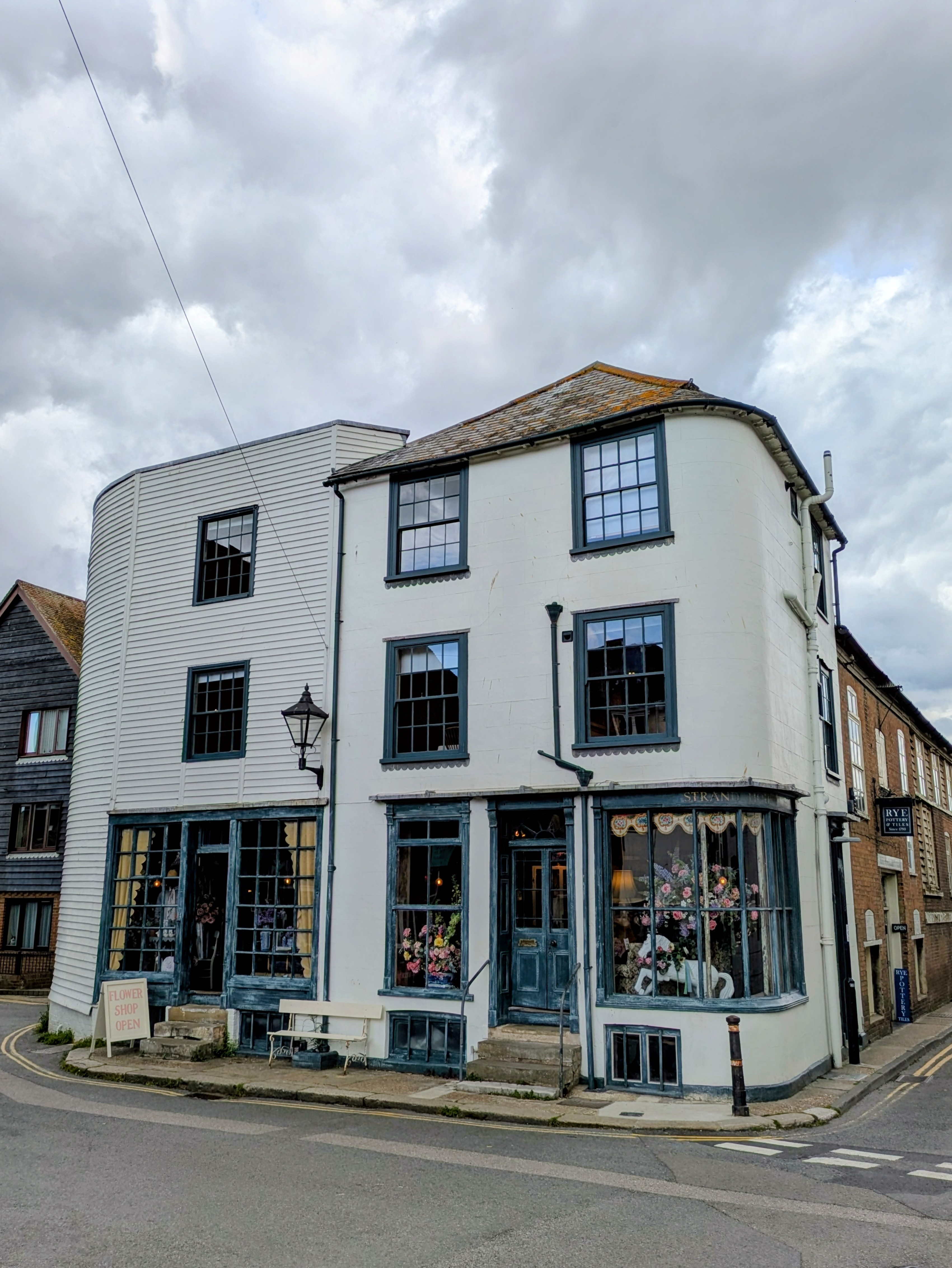
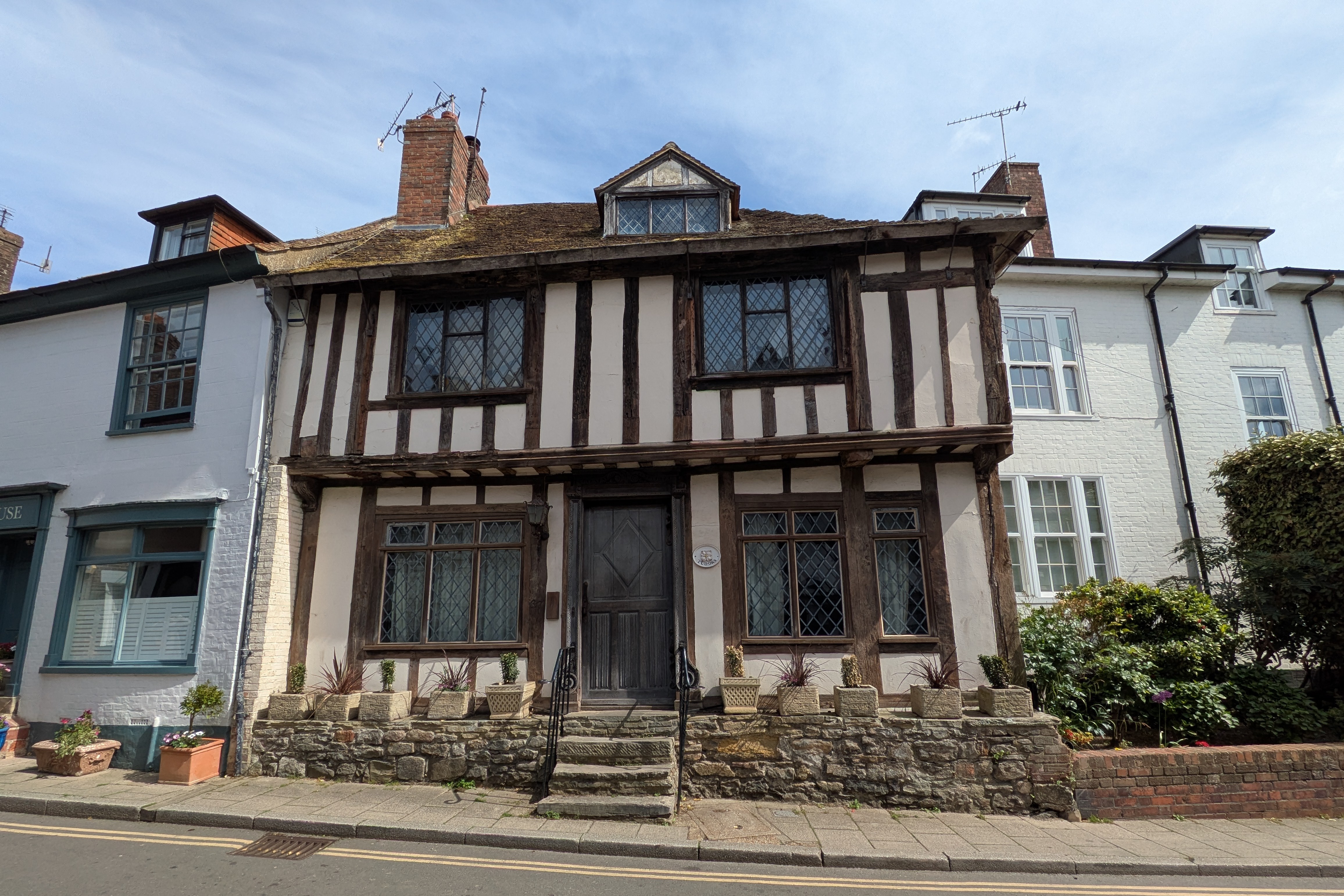
Left, the large wood-framed property is now a private residence, but was once the town’s hospital. Centre, now a flower shop. Right, a home simply named ‘Tudors’, which stands opposite the Standard Inn, itself claiming origins as far back as 1420. I heartily endorse the chicken and bacon pie at the Standard.


Leave a comment